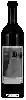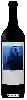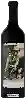
Winery TurkovichGraciano
 Red wine
In the mouth this red wine is a powerful with a nice balance between acidity and tannins.
This wine generally goes well with poultry, beef or veal.

Taste structure of the Graciano from the Winery Turkovich
Light | Bold | |
Smooth | Tannic | |
Dry | Sweet | |
Soft | Acidic |
In the mouth the Graciano of Winery Turkovich in the region of California is a powerful with a nice balance between acidity and tannins.
Food and wine pairings with Graciano
Pairings that work perfectly with Graciano



Original food and wine pairings with Graciano

The Graciano of Winery Turkovich matches generally quite well with dishes of beef, lamb or veal such as recipes of borscht (russia), languedoc-roussillon lamb en papillote and its tajine with... or rabbit with hunter's sauce.
Details and technical informations about Winery Turkovich's Graciano.
Discover the grape variety: Famoso
Aromatic, lively dry whites with a pale golden colour and a fragrant, fresh palate; intense muscat signature aromas, white flowers (acacia, orange blossom), exotic fruits (lychee, pineapple) and white-fleshed fruits. Expressive Romagnan profile. Enjoying a quality revival among modern Romagnan winemakers after near-extinction. Indigenous Italian white grape from Emilia-Romagna, grown in the province of Forlì.
Informations about the Winery Turkovich
The Winery Turkovich is one of of the world's great estates. It offers 24 wines for sale in the of California to come and discover on site or to buy online.

The wine region of California
Powerful, sunny reds: dense Napa Cabernet Sauvignon (blackcurrant, chocolate, tobacco, ample tannins), spicy, jammy Zinfandel from the Sierra Foothills, silky red-fruited Pinot Noir on the cool coast (Sonoma, Russian River, Central Coast). Opulent, buttery Chardonnay, notes of yellow fruit and vanilla. Varied climate, from the hot interior to the Pacific-cooled coast. 80% of US production, 139 AVAs including Napa (1st AVA, 1981).
The word of the wine: Aging
Period during which a wine is kept in a cellar where it goes through different phases of evolution of its aromatic range and a maturation of its constituents (evolution of the colour, refining of the tannins, harmonization of the different flavours, etc.). The wine evolves better and less quickly in large containers, whereas it deteriorates prematurely in half-bottles.