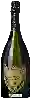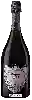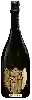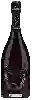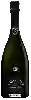
Winery TualChampagne Brut
 Sparkling wine
In the mouth this sparkling wine is a powerful with a nice vivacity and a fine and pleasant bubble.
This wine generally goes well with pork, rich fish (salmon, tuna etc) or shellfish.
Taste structure of the Champagne Brut from the Winery Tual
Light | Bold | |
Soft | Acidic | |
Gentle | Fizzy |
In the mouth the Champagne Brut of Winery Tual in the region of Champagne is a powerful with a nice vivacity and a fine and pleasant bubble.
Food and wine pairings with Champagne Brut
Pairings that work perfectly with Champagne Brut



Original food and wine pairings with Champagne Brut
The Champagne Brut of Winery Tual matches generally quite well with dishes of pork, rich fish (salmon, tuna etc) or shellfish such as recipes of whiskey paupiettes, tuna with tomatoes in the oven or marinated mussels with maroilles.
Details and technical informations about Winery Tual's Champagne Brut.
Discover the grape variety: Reine des vignes
Obtained in Hungary in 1916 by Jean (Janos) Mathiasz by crossing the Beirut date tree with the Csaba pearl. This variety is nowadays very little multiplied, but it is registered in the Official Catalogue of table grape varieties list A1.
Informations about the Winery Tual
The Winery Tual is one of of the world's greatest estates. It offers 4 wines for sale in the of Champagne to come and discover on site or to buy online.

The wine region of Champagne
Champagne is the name of the world's most famous Sparkling wine, the appellation under which it is sold and the French wine region from which it comes. Although it has been used to refer to sparkling wines around the world - a point of controversy and legal wrangling in recent decades - Champagne is a legally controlled and restricted name. See the labels of Champagne wines. The fame and success of Champagne is, of course, the product of many Complex factors.
The word of the wine: Merrain
Oak wood split into planks used to make the barrel.