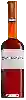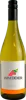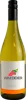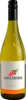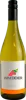
Winery TσiakkaςXynisteri Terroir
 White wine
This wine generally goes well with
The Xynisteri Terroir of the Winery Tσiakkaς is in the top 10 of wines of Pitsilia.

Wine flavors and olphactive analysis

Details and technical informations about Winery Tσiakkaς's Xynisteri Terroir.
Discover the grape variety: Maréchal Joffre
Colourful, fruity reds to drink young with a sustained ruby robe, moderate tannins and an airy palate, and signature aromas of red and black fruits (cherry, blackberry) and simple notes. An accessible profile for cold climates. Grown mainly in Canada (Quebec, Ontario) and the northeastern United States, adapted to harsh continental vineyards. A black hybrid grape bred in Alsace in the early 20th century by Eugène Kuhlmann.
Informations about the Winery Tσiakkaς
The Winery Tσiakkaς is one of of the world's great estates. It offers 20 wines for sale in the of Pitsilia to come and discover on site or to buy online.

The wine region of Pitsilia
Cypriot PDO with Europe's highest vineyards (1,000–1,520 m) on the eastern slopes of the Troodos, volcanic soils. Autochthonous Xynisteri is the signature white — taut and mineral with lively notes of green apple, white peach, citrus, flowers and an altitude saline touch, brilliant acidity. Autochthonous Mavro, structured Maratheftiko and rare Yianoudi as signature reds with red fruits, spices and mineral touch. Authentic Cypriot mountain identity.
The wine region of Lefkosia
Central Cypriot region around Nicosia, altitude vineyards on limestone and volcanic soils. Cabernet Sauvignon, Cabernet Franc and Merlot: structured reds with blackcurrant, black cherry, plum and herbal hints, firm tannins. Maratheftiko and Yiannoudi: deep indigenous reds with dark fruits, spice and smoky touch. Xynisteri and Promara: crisp whites with citrus, flowers and mineral touch.
The word of the wine: Downy mildew
Disease of the vine due to a fungus. Downy mildew is formidable because it attacks all the organs, from the stem to the grapes, including the leaves, in depth. It was against it that the famous copper and lime-based Bordeaux mixture was developed.