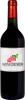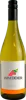
Winery TriusIcewine Vidal
 Sweet wine


This wine generally goes well with
Wine flavors and olphactive analysis


On the nose the Icewine Vidal of Winery Trius in the region of Ontario often reveals types of flavors of earth, tree fruit or citrus fruit and sometimes also flavors of tropical fruit.
Details and technical informations about Winery Trius's Icewine Vidal.
Discover the grape variety: Gros Bourgogne
A very old grape variety that has been cultivated for a long time in Italy and Switzerland (cantons of Valais and Vaud), and is now clearly on the way out. In these countries, it still exists in the vineyards in the form of isolated strains... in France, it is completely unknown and yet it bears the name of a French wine region. According to A.D.N. analyses (J.F. Vouillamoz), its parents include white gouais, furmint, harslevelu, savagnin blanc, sylvaner, etc.
Last vintages of this wine

The best vintages of Icewine Vidal from Winery Trius are 2013, 0, 2017, 2014
Informations about the Winery Trius
The Winery Trius is one of of the world's great estates. It offers 43 wines for sale in the of Niagara Peninsula to come and discover on site or to buy online.

The wine region of Niagara Peninsula
Niagara Peninsula is the largest and most productive viticultural area in Canada, located on the Southern shores of Lake Ontario. It stretches roughly 55km (35 miles) between the eastern limits of Hamilton city in the west and the left bank of the Niagara River as it flows into Lake Ontario. The VQA covers over 13,000 acres (5,200 hectares) oand produces mainly cool Climate varieties such as Riesling, Chardonnay, Pinot Noir and Cabernet Franc. It also produces a large Volume of ice wine.
The wine region of Ontario
Ontario is the most populated and prolific wine producing province in Canada. The Long established wine industry here is centered around the Great Lakes of Erie and Ontario, where the continental Climate is moderated heavily by the large bodies of water. The majority of wines produced in Ontario are Dry table wines (around 60 percent are white and 40 percent red). They are mostly made from Riesling, Cabernet Franc, Chardonnay, and Pinot Noir.
The word of the wine: Green harvest or green harvesting
The practice of removing excess bunches of grapes from certain vines, usually in July, but sometimes later. This is often necessary, but not always a good thing, as the remaining grapes tend to gain weight.