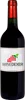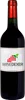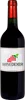
Winery Tres AltasTempranillo Shiraz
 Red wine
In the mouth this red wine is a powerful with a nice freshness.
This wine generally goes well with poultry, beef or veal.

Taste structure of the Tempranillo Shiraz from the Winery Tres Altas
Light | Bold | |
Smooth | Tannic | |
Dry | Sweet | |
Soft | Acidic |
In the mouth the Tempranillo Shiraz of Winery Tres Altas in the region of Lisboa is a powerful with a nice freshness.
Food and wine pairings with Tempranillo Shiraz
Pairings that work perfectly with Tempranillo Shiraz



Original food and wine pairings with Tempranillo Shiraz

The Tempranillo Shiraz of Winery Tres Altas matches generally quite well with dishes of beef, pasta or veal such as recipes of polish goulash, chinese soy and chicken noodles (wok style) or roast veal with chanterelles and cream.
Details and technical informations about Winery Tres Altas's Tempranillo Shiraz.
Discover the grape variety: Tempranillo
Elegant, structured reds with aromas of strawberry, cherry, plum, leather, blond tobacco and pronounced vanilla from long oak ageing. Ranges from Joven to Crianza, Reserva and Gran Reserva. Star of Rioja DOCa, Ribera del Duero DO and Toro DO, also shines in the Douro as Tinta Roriz/Aragonez. One of the world's most planted Spanish varieties.
Informations about the Winery Tres Altas
The Winery Tres Altas is one of of the world's greatest estates. It offers 5 wines for sale in the of Lisboa to come and discover on site or to buy online.

The wine region of Lisboa
Vast coastal IGP north of Lisbon, Portugal's largest producer by volume. Accessible, sun-filled reds: fruity, spicy Castelão, dense Touriga Nacional (black fruit, violet), fleshy Trincadeira, deep Alicante Bouschet. Fresh, mineral whites: straight, lemony Arinto (star of Bucelas), aromatic Fernão Pires, round Vital and Malvasia. Structured reds from Alenquer, sparkling at Óbidos.
The word of the wine: Basic wine
Dry, still wine intended for the production of sparkling wines (champagne, crémants, etc.). The basic wines undergo a second fermentation in the bottle for the production of carbon dioxide, and therefore of bubbles.