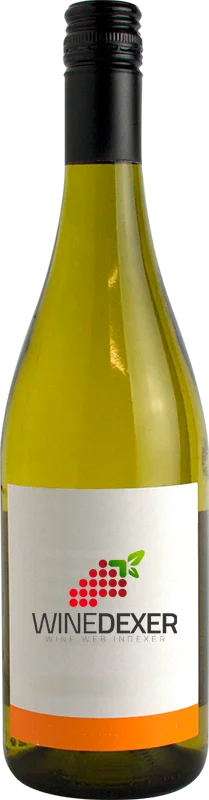
Winery TrapicheVineyards Moscato
 White wine



In the mouth this white wine is a powerful with a nice freshness.
This wine generally goes well with pork, vegetarian or lean fish.

Taste structure of the Vineyards Moscato from the Winery Trapiche
Light | Bold | |
Dry | Sweet | |
Soft | Acidic |
In the mouth the Vineyards Moscato of Winery Trapiche in the region of Mendoza is a powerful with a nice freshness.
Wine flavors and olphactive analysis

On the nose the Vineyards Moscato of Winery Trapiche in the region of Mendoza often reveals types of flavors of earth, tree fruit.
Food and wine pairings with Vineyards Moscato
Pairings that work perfectly with Vineyards Moscato



Original food and wine pairings with Vineyards Moscato



The Vineyards Moscato of Winery Trapiche matches generally quite well with dishes of pork, shellfish or vegetarian such as recipes of cassoulet, thai shrimp sauce or quiche lorraine.
Details and technical informations about Winery Trapiche's Vineyards Moscato.
Discover the grape variety: Moscato
Sweet, lightly sparkling aromatic whites with a pale golden hue, a supple palate and preserved acidity, with intense signature aromas of muscat, rose, orange blossom, white peach, candied citrus, honey, sage and explosive muscat notes. Low alcohol, indulgent profile. Absolute star of Moscato d'Asti DOCG and Asti Spumante DOCG in Piedmont. Italian name for the muscat family (Moscato Bianco = muscat blanc à petits grains), Piedmontese signature.
Last vintages of this wine
The best vintages of Vineyards Moscato from Winery Trapiche are 2014, 2013, 2012, 0
Informations about the Winery Trapiche
The Winery Trapiche is one of wineries to follow in Mendoza.. It offers 343 wines for sale in the of Mendoza to come and discover on site or to buy online.

The wine region of Mendoza
World capital of Malbec: powerful, deep reds with blackberry, plum, violet and sweet spice, round tannins and vivid fruit. Also firm Cabernet Sauvignon, supple, juicy Bonarda, aromatic floral white Torrontés. High-altitude vineyards (800-1,700 m) at the foot of the Andes, dry continental climate irrigated by glacial waters. ~80% of Argentine output across 150,000 ha.
The word of the wine: Pagan
See savagnin.