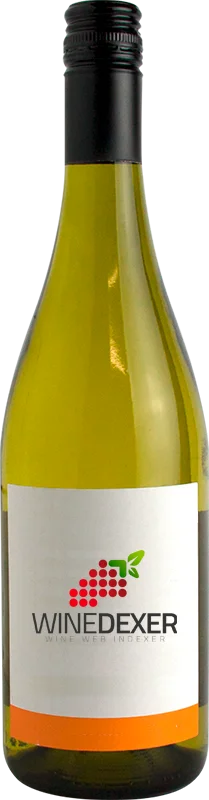
Winery TranquilliVerdicchio
 White wine


In the mouth this white wine is a powerful.
This wine generally goes well with vegetarian, appetizers and snacks or shellfish.

Taste structure of the Verdicchio from the Winery Tranquilli
Light | Bold | |
Dry | Sweet | |
Soft | Acidic |
In the mouth the Verdicchio of Winery Tranquilli in the region of Sicily is a powerful.
Food and wine pairings with Verdicchio
Pairings that work perfectly with Verdicchio



Original food and wine pairings with Verdicchio
The Verdicchio of Winery Tranquilli matches generally quite well with dishes of shellfish, vegetarian or appetizers and snacks such as recipes of mussel clusters, quiche without eggs or black tapenade.
Details and technical informations about Winery Tranquilli's Verdicchio.
Discover the grape variety: De Chaunac
Colourful, simple fruity reds with a deep purple robe, silky tannins and an airy palate with preserved acidity, showing aromas of red fruits and herbaceous notes. Cold- and disease-resistant. Grown mainly in Canada (Ontario, Quebec) and the north-eastern United States, adapting to rigorous continental viticultural climates. French black hybrid (Seibel 9549), named after Quebec researcher Adhémar de Chaunac.
Last vintages of this wine
The best vintages of Verdicchio from Winery Tranquilli are 0
Informations about the Winery Tranquilli
The Winery Tranquilli is one of of the world's greatest estates. It offers 15 wines for sale in the of Sicily to come and discover on site or to buy online.

The wine region of Sicily
Major qualitative renewal. Sunny, expressive reds: fleshy, spicy Nero d'Avola (black cherry, blackberry, liquorice), fine, mineral Nerello Mascalese on Etna (recalls Pinot Noir), light, crisp Frappato in Cerasuolo di Vittoria DOCG. Lively, saline whites: Catarratto, fat, iodised Grillo, taut Carricante, floral Inzolia. Amber, walnutty fortified Marsala.
The word of the wine: Assemblage (Champagne)
In Champagne, it is the art of blending still wines from different grape varieties (pinot meunier, pinot noir, chardonnay), from different terroirs (villages, areas) and often from different years. The incorporation of older wines, called reserve wines, allows for greater aromatic complexity.





