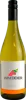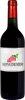
Winery TragataThracian Valley Region Cabernet Sauvignon
 Red wine



This wine generally goes well with poultry, beef or lamb.

Wine flavors and olphactive analysis

Food and wine pairings with Thracian Valley Region Cabernet Sauvignon
Pairings that work perfectly with Thracian Valley Region Cabernet Sauvignon



Original food and wine pairings with Thracian Valley Region Cabernet Sauvignon

The Thracian Valley Region Cabernet Sauvignon of Winery Tragata matches generally quite well with dishes of beef, lamb or spicy food such as recipes of marinated shrimp skewers with garlic, rack of lamb in a salt crust or monkfish (anglerfish) à la sétoise.
Details and technical informations about Winery Tragata's Thracian Valley Region Cabernet Sauvignon.
Discover the grape variety: Cabernet-Sauvignon
Structured, tannic reds, deeply coloured, with aromas of blackcurrant, blackberry, cedar, tobacco and graphite, underpinned by firm acidity and fine ageing potential. Cornerstone of the great Médoc estates (Pauillac, Saint-Estèphe, Saint-Julien) and signature of Napa Valley, Coonawarra and Maipo. The world's most planted red variety, a natural cross of Cabernet Franc x Sauvignon Blanc born in Bordeaux.
Last vintages of this wine
The best vintages of Thracian Valley Region Cabernet Sauvignon from Winery Tragata are 2013, 0
Informations about the Winery Tragata
The Winery Tragata is one of of the world's greatest estates. It offers 1 wines for sale in the of Thracian Valley to come and discover on site or to buy online.

The wine region of Thracian Valley
Bulgaria's largest wine region, land of identity-driven reds. Signature Mavrud around Plovdiv: a structured, tannic red with notes of blackberry, candied plum, dry herbs, leather and spices, long ageing. Fleshy, deep Rubin (Nebbiolo × Syrah cross), supple, fruity Pamid, dense Melnik 55. Aromatic Red Misket whites (rose, citrus).
The word of the wine: Draft liquor (champagne)
After blending, the wine is bottled with a liqueur de tirage (a mixture of sugar and wine) and a yeast (selected yeasts). The yeast attacks the sugar and creates carbon dioxide. The fermentation, which lasts about two months, is prolonged by an ageing period (15 months minimum in total). The bottle is capped (some rare vintages are capped with a staple and a cork).