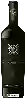
Winery Torre de LanciaRosato Fuoco
 Pink wine



This wine generally goes well with

Details and technical informations about Winery Torre de Lancia's Rosato Fuoco.
Discover the grape variety: Mazuelo
Full-bodied, tannic reds with a dark ruby robe, firm tannins and a dense palate with preserved acidity, showing signature aromas of red fruits (cherry, raspberry), spice, pepper, Mediterranean garrigue and balsamic notes. Fine ageing potential, contributing structure and acidity to great Riojan reds. A traditional component of Rioja DOCa blends with Tempranillo. The Spanish synonym for Carignan, a Mediterranean variety originating in Aragon.
Last vintages of this wine
The best vintages of Rosato Fuoco from Winery Torre de Lancia are 2008, 2014, 2017, 2013 and 2018.
Informations about the Winery Torre de Lancia
The Winery Torre de Lancia is one of of the world's greatest estates. It offers 3 wines for sale in the of Salento to come and discover on site or to buy online.

The wine region of Salento
Heel of the Italian boot, sunny and generous vineyard. Fleshy reds: signature Negroamaro ("black-bitter") deep and sturdy, notes of black cherry, plum, spices and a characteristic bitter finish, star in Salice Salentino DOC. Opulent jammy Primitivo di Manduria (= Zinfandel) with notes of black fruits, chocolate and raisin. Supple Malvasia Nera.
The wine region of Puglia
Heel of the boot, 80% red vineyard, sunny and generous. Fleshy, jammy Primitivo (= Zinfandel) with notes of black cherry, plum, chocolate and spices, powerful alcohol and melted tannins, a star in Primitivo di Manduria. Deep, structured Negroamaro (black-bitter) with a bitter finish in Salice Salentino. Structured Nero di Troia, spicy Susumaniello.
The word of the wine: Oxidative (breeding)
A method of ageing which aims to give the wine certain aromas of evolution (dried fruit, bitter orange, coffee, rancio, etc.) by exposing it to the air; it is then matured either in barrels, demi-muids or unoaked casks, sometimes stored in the open air, or in barrels exposed to the sun and to temperature variations. This type of maturation characterizes certain natural sweet wines, ports and other liqueur wines.