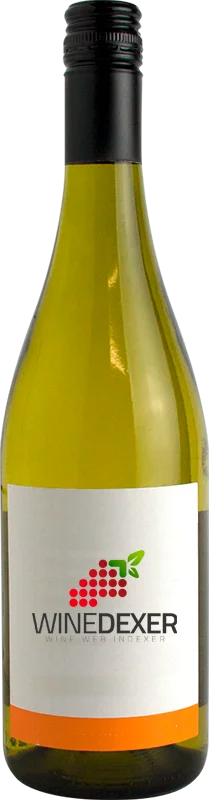
Château TopoľčiankyCn Sauvignon
 White wine


This wine generally goes well with vegetarian, rich fish (salmon, tuna etc) or shellfish.

Food and wine pairings with Cn Sauvignon
Pairings that work perfectly with Cn Sauvignon



Original food and wine pairings with Cn Sauvignon
The Cn Sauvignon of Château Topoľčianky matches generally quite well with dishes of rich fish (salmon, tuna etc), shellfish or vegetarian such as recipes of baked whole salmon, mi sao or broccoli and blue cheese quiche without pastry.
Details and technical informations about Château Topoľčianky's Cn Sauvignon.
Discover the grape variety: Bronner
Lively, fresh dry whites with a pale golden hue, a lean palate and preserved acidity, with delicate notes of citrus, green apple, pear, white flowers, pineapple and light muscat hints. Refreshing profile. Disease-resistant interspecific variety, a locomotive of northern organic vineyards: Germany, Italy (Trentino), Belgium, Netherlands, Denmark and the UK. German hybrid created in 1975 in Freiburg by Norbert Becker.
Last vintages of this wine
The best vintages of Cn Sauvignon from Château Topoľčianky are 2018, 0
Informations about the Château Topoľčianky
The Château Topoľčianky is one of wineries to follow in Slovakia.. It offers 85 wines for sale in the of Slovakia to come and discover on site or to buy online.

The wine region of Slovakia
Central European vineyard dominated by whites (75%). Signature Veltlínske Zelené (Grüner Veltliner): lively, peppery whites with notes of green apple, citrus, fresh herbs and a touch of white pepper. Fresh, lemony Welschriesling, supple Müller-Thurgau, round Pinot Blanc, mineral Riesling. Slovak Tokaj (907 ha shared with Hungary): sweet botrytised Furmint (honey, dried apricot, quince).
The word of the wine: Slight
Supple and easy to drink wine.