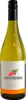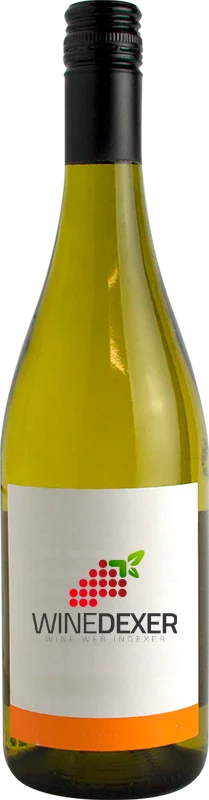
Bodega TonelesTonel 22 Sauvignon Blanc
 White wine
In the mouth this white wine is a with a nice freshness.
This wine generally goes well with vegetarian, shellfish or goat cheese.

Taste structure of the Tonel 22 Sauvignon Blanc from the Bodega Toneles
Light | Bold | |
Dry | Sweet | |
Soft | Acidic |
In the mouth the Tonel 22 Sauvignon Blanc of Bodega Toneles in the region of Mendoza is a with a nice freshness.
Food and wine pairings with Tonel 22 Sauvignon Blanc
Pairings that work perfectly with Tonel 22 Sauvignon Blanc


Original food and wine pairings with Tonel 22 Sauvignon Blanc
The Tonel 22 Sauvignon Blanc of Bodega Toneles matches generally quite well with dishes of shellfish, vegetarian or goat cheese such as recipes of festive sea pot, mushroom, bacon and gruyere quiche or ravioli and goat cheese tart.
Details and technical informations about Bodega Toneles's Tonel 22 Sauvignon Blanc.
Discover the grape variety: Florental
Simple, colourful fruity reds with a dark ruby hue, lightly marked to firm tannins and a straightforward palate; signature aromas of red fruits (cherry, raspberry), gentle spices and herbaceous notes. Modern, productive profile. Grown in small quantities in France and Belgium, used in organic and sustainable vineyards, part of the new generation of disease-resistant varieties. French black hybrid developed in the 20th century.
Informations about the Bodega Toneles
The Bodega Toneles is one of of the world's great estates. It offers 68 wines for sale in the of Mendoza to come and discover on site or to buy online.

The wine region of Mendoza
World capital of Malbec: powerful, deep reds with blackberry, plum, violet and sweet spice, round tannins and vivid fruit. Also firm Cabernet Sauvignon, supple, juicy Bonarda, aromatic floral white Torrontés. High-altitude vineyards (800-1,700 m) at the foot of the Andes, dry continental climate irrigated by glacial waters. ~80% of Argentine output across 150,000 ha.
The word of the wine: Draft liquor (champagne)
After blending, the wine is bottled with a liqueur de tirage (a mixture of sugar and wine) and a yeast (selected yeasts). The yeast attacks the sugar and creates carbon dioxide. The fermentation, which lasts about two months, is prolonged by an ageing period (15 months minimum in total). The bottle is capped (some rare vintages are capped with a staple and a cork).