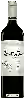
Winery TobiaViñedos de Altura Graciano
 Red wine



In the mouth this red wine is a powerful with a nice balance between acidity and tannins.
This wine generally goes well with poultry, beef or veal.

Taste structure of the Viñedos de Altura Graciano from the Winery Tobia
Light | Bold | |
Smooth | Tannic | |
Dry | Sweet | |
Soft | Acidic |
In the mouth the Viñedos de Altura Graciano of Winery Tobia in the region of Rioja is a powerful with a nice balance between acidity and tannins.
Food and wine pairings with Viñedos de Altura Graciano
Pairings that work perfectly with Viñedos de Altura Graciano



Original food and wine pairings with Viñedos de Altura Graciano

The Viñedos de Altura Graciano of Winery Tobia matches generally quite well with dishes of beef, lamb or veal such as recipes of spaghetti bolognese, grilled lamb shoulder with spices and honey or white wine fondue.
Details and technical informations about Winery Tobia's Viñedos de Altura Graciano.
Discover the grape variety: Trnjak
Structured, intensely coloured reds with a deep purple robe, firm tannins and a dense palate with preserved acidity. Signature aromas of black fruits (blackberry, blackcurrant), plum, spices, Mediterranean garrigue and balsamic notes. Fine ageing potential. Star of great Herzegovinian reds, defining the wine identity of southern Bosnia and the Dalmatian coast around Mostar. Native Croatian and Bosnian black grape, autochthonous to Herzegovina.
Last vintages of this wine
The best vintages of Viñedos de Altura Graciano from Winery Tobia are 2016, 0
Informations about the Winery Tobia
The Winery Tobia is one of of the world's great estates. It offers 33 wines for sale in the of Rioja to come and discover on site or to buy online.

The wine region of Rioja
Star of great Spanish reds: signature Tempranillo, elegant and complex, with notes of ripe cherry, plum, leather, vanilla and tobacco from American oak ageing. Classification by age: fruity Joven, balanced Crianza, ample Reserva, deep, silky Gran Reserva (5 years, 2 in barrel). Some fresh Viura whites and generous rosés. Spain's first DOCa (1991), 3 sub-zones (Alta, Alavesa, Oriental), 93.
The word of the wine: Draft liquor (champagne)
After blending, the wine is bottled with a liqueur de tirage (a mixture of sugar and wine) and a yeast (selected yeasts). The yeast attacks the sugar and creates carbon dioxide. The fermentation, which lasts about two months, is prolonged by an ageing period (15 months minimum in total). The bottle is capped (some rare vintages are capped with a staple and a cork).