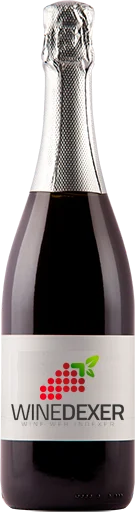
Winery TizzanoBarbera Frizzante
 Sparkling wine


This wine generally goes well with pork, poultry or mild and soft cheese.

Food and wine pairings with Barbera Frizzante
Pairings that work perfectly with Barbera Frizzante



Original food and wine pairings with Barbera Frizzante

The Barbera Frizzante of Winery Tizzano matches generally quite well with dishes of pork, spicy food or poultry such as recipes of peasant minestrone, monkfish armorican style or chicken colombo (west indies).
Details and technical informations about Winery Tizzano's Barbera Frizzante.
Discover the grape variety: Spätburgunder
Elegant, structured reds with ruby colour ranging from light to intense, fine silky tannins and fresh acidity, showing signature aromas of red fruits (cherry, raspberry, strawberry), forest floor, spices, leather and earthy notes. Fine ageing potential, excelling on schist and volcanic soils. Star of the great German reds of Baden VDP, Palatinate VDP and Ahr VDP. German synonym for Pinot Noir, the Burgundian variety raised to high standards in Germany.
Last vintages of this wine
The best vintages of Barbera Frizzante from Winery Tizzano are 0
Informations about the Winery Tizzano
The Winery Tizzano is one of of the world's greatest estates. It offers 10 wines for sale in the of Colli Bolognesi to come and discover on site or to buy online.

The wine region of Colli Bolognesi
Emilia-Romagna DOC on the hills south and west of Bologna. Signature native Pignoletto white: lively and floral with hallmark notes of green apple, citrus, white flowers, fresh herbs and an almond touch, taut and refreshing palate — often frizzante sparkling, the Bolognese aperitif. Also zesty Sauvignon, ample Chardonnay. Reds: juicy Barbera (cherry, plum), firm Cabernet, supple Merlot, accessible Sangiovese.
The wine region of Emilia-Romagna
Kingdom of Lambrusco: fresh, fruity sparkling reds (blackberry, cherry, violet), from gourmet dry to convivial off-dry, perfect with local charcuterie. World's best-selling sparkling wine on the Emilia side (Sorbara, Grasparossa, Salamino). East, Romagna: supple fruity Sangiovese, Albana (Italy's 1st white DOCG, 1987) ample and almondy. Also red Gutturnio and white Pignoletto.
The word of the wine: Muscat blanc à petits grains
A white grape variety cultivated since antiquity on the shores of the Mediterranean, it is considered the noblest of the muscats. It is mainly used to make sweet wines, often from mutage. In France, it is the sole variety used in many natural sweet wines: muscat-de-frontignan, muscat-de-mireval, muscat-de-lunel, muscat-de-saint-jean-de-minervois, muscat-de-beaumes-de-venise, muscat-du-cap-corse. Combined with Muscat d'Alexandrie, it gives Muscat-de-Rivesaltes. It is also used to make sparkling white wines (clairette-de-die; moscato d'asti and asti spumante in Italy) and dry wines (alsace-muscat). Powerfully aromatic and complex, its wines evoke fresh grapes, roses, exotic fruits, citrus fruits and spices.