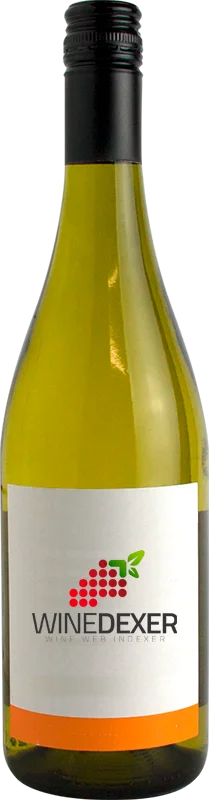
Winery Tirolensis ArsCuvée Bianco
 White wine


In the mouth this white wine is a .
This wine generally goes well with lean fish, shellfish or mature and hard cheese.
Taste structure of the Cuvée Bianco from the Winery Tirolensis Ars
Light | Bold | |
Dry | Sweet | |
Soft | Acidic |
In the mouth the Cuvée Bianco of Winery Tirolensis Ars in the region of Trentino-Alto-Adige is a .
Food and wine pairings with Cuvée Bianco
Pairings that work perfectly with Cuvée Bianco



Original food and wine pairings with Cuvée Bianco


The Cuvée Bianco of Winery Tirolensis Ars matches generally quite well with dishes of pasta, shellfish or mature and hard cheese such as recipes of pasta salmon - fresh cream, slivers of squid with tomato or lasagne with vegetables and savoy tomatoes.
Details and technical informations about Winery Tirolensis Ars's Cuvée Bianco.
Discover the grape variety: Encruzado
Structured, aromatic dry whites with a pale golden robe, an ample palate and preserved acidity, with signature aromas of citrus (lemon), white-fleshed fruits (peach, pear), white flowers (acacia) and granitic mineral notes. Fine ageing potential, sometimes barrel-aged. Absolute star of Dão DOC, considered the great white wine of the region, excelling as a single variety. Autochthonous Portuguese white variety from the Dão.
Last vintages of this wine
The best vintages of Cuvée Bianco from Winery Tirolensis Ars are 2015, 2016, 0, 2013
Informations about the Winery Tirolensis Ars
The Winery Tirolensis Ars is one of of the world's greatest estates. It offers 5 wines for sale in the of Trentino-Alto-Adige to come and discover on site or to buy online.

The wine region of Trentino-Alto-Adige
Italy's northernmost alpine vineyard, two identities. Aromatic, precise whites are the stars: signature opulent Gewurztraminer (lychee, rose, spice), ample Pinot Grigio, mineral Pinot Bianco, lively high-altitude Muller-Thurgau. Native reds: dense fruity Teroldego (blackberry, violet), deep Lagrein with plum and chocolate notes, light crunchy Schiava, spicy Marzemino. Trento DOC Metodo Classico sparklers.
The word of the wine: Old vines
There are no specific regulations governing the term "vieilles vignes". After 20 to 25 years, the yields stabilize and tend to decrease, the vines are deeply rooted, and the grapes that come from them give richer, more concentrated, more sappy wines, expressing with more nuance the characteristics of their terroir. It is possible to find plots of vines that claim to be a century old.