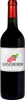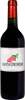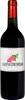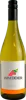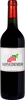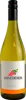
Winery Three SticksOur Home Casteñada Rosé
 Pink wine


This wine generally goes well with beef, lamb or mature and hard cheese.

Wine flavors and olphactive analysis

On the nose the Our Home Casteñada Rosé of Winery Three Sticks in the region of California often reveals types of flavors of red fruit.
Food and wine pairings with Our Home Casteñada Rosé
Pairings that work perfectly with Our Home Casteñada Rosé



Original food and wine pairings with Our Home Casteñada Rosé

The Our Home Casteñada Rosé of Winery Three Sticks matches generally quite well with dishes of beef, lamb or spicy food such as recipes of fondue with broth, lamb shoulder confit or fish and shrimp curry.
Details and technical informations about Winery Three Sticks's Our Home Casteñada Rosé.
Discover the grape variety: Cariñena
Powerful, structured reds with a near-black inky color, firm tannins and a dense palate, offering intense aromas of ripe black fruits (blackberry, blackcurrant, plum), candied cherry, liquorice, spices, garrigue and balsamic notes. Fine cellaring potential, excelling in old vines on poor soils. Pillar of great Priorat DOQ, Montsant DO, Empordà DO reds and the signature of DO Cariñena (Aragón). Spanish name for carignan, a historic Mediterranean variety originating in Aragón.
Last vintages of this wine
The best vintages of Our Home Casteñada Rosé from Winery Three Sticks are 2019, 0
Informations about the Winery Three Sticks
The Winery Three Sticks is one of of the world's great estates. It offers 30 wines for sale in the of Sonoma Coast to come and discover on site or to buy online.

The wine region of Sonoma Coast
Elegant, saline Pinot Noir as signature and vibrant Chardonnay: refined coastal reds with aromas of fresh cherry, poached strawberry, cranberry and blackcurrant, sweet spices and floral touches, straight acidity. Energetic Chardonnay with notes of green apple, Meyer citrus, stone fruit and saline minerality. Vast AVA in north-west Sonoma, directly exposed to Pacific fogs and breezes, very cool climate over a long season. Chiselled maritime identity, medium to long ageing.
The wine region of California
Powerful, sunny reds: dense Napa Cabernet Sauvignon (blackcurrant, chocolate, tobacco, ample tannins), spicy, jammy Zinfandel from the Sierra Foothills, silky red-fruited Pinot Noir on the cool coast (Sonoma, Russian River, Central Coast). Opulent, buttery Chardonnay, notes of yellow fruit and vanilla. Varied climate, from the hot interior to the Pacific-cooled coast. 80% of US production, 139 AVAs including Napa (1st AVA, 1981).
The word of the wine: Performance
Quantity of grapes harvested per hectare. In AOC, the average yield is limited on the proposal of the appellation syndicate, validated by the Inao. The use of high-performance plant material (especially clones) and better control of vine diseases have increased yields. This is not without consequences on the quality of the wines (dilution) and on the state of the market (too much wine). We must not over-simplify: low yields are not synonymous with quality, and it is often in years with generous harvests that we find the greatest vintages (1982 and 1986 in Bordeaux, 1996 in Champagne, 1990 and 2005 in Burgundy...).