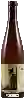
Winery Thomas MendSilvaner Trocken
 White wine


In the mouth this white wine is a powerful with a nice freshness.
This wine generally goes well with pork, vegetarian or poultry.

Taste structure of the Silvaner Trocken from the Winery Thomas Mend
Light | Bold | |
Dry | Sweet | |
Soft | Acidic |
In the mouth the Silvaner Trocken of Winery Thomas Mend in the region of Franken is a powerful with a nice freshness.
Food and wine pairings with Silvaner Trocken
Pairings that work perfectly with Silvaner Trocken



Original food and wine pairings with Silvaner Trocken


The Silvaner Trocken of Winery Thomas Mend matches generally quite well with dishes of veal, pork or vegetarian such as recipes of oriental stuffed vegetables, blue cord or mushroom, bacon and gruyere quiche.
Details and technical informations about Winery Thomas Mend's Silvaner Trocken.
Discover the grape variety: Gamay de Bouze
Intensely coloured and simple reds with an opaque purple colour, supple tannins and a light palate with moderate acidity, with discreet aromas of red fruits. A teinturier profile. Once used to intensify the colour of Burgundy blends, now marginal, it survives in a few Burgundy plots and ampelographic collections for its heritage value. Teinturier variation of Gamay obtained in the village of Bouze-lès-Beaune in Burgundy.
Last vintages of this wine
The best vintages of Silvaner Trocken from Winery Thomas Mend are 0
Informations about the Winery Thomas Mend
The Winery Thomas Mend is one of of the world's greatest estates. It offers 34 wines for sale in the of Franken to come and discover on site or to buy online.

The wine region of Franken
Homeland of German Silvaner: dry, straight, mineral and lively whites with notes of green apple, citrus, fresh herbs and a saline touch, planted here for over 350 years (1,500 ha, a quarter of the vineyard). Also supple, floral Müller-Thurgau, taut Riesling, aromatic Bacchus. Some discreet reds (Spätburgunder). 6,040 ha in Bavaria along the Main around Würzburg, red sandstone and shell-limestone soils.
The word of the wine: N-M
Negociant-manipulant. Company that buys grapes, sometimes in addition to its own vineyard, elaborates and markets its champagne. Most of the big brands like Moët or Taittinger are N-M.