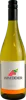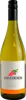
Winery Sunstar SelectionRiesling - Silvaner
 White wine
This wine generally goes well with pork, vegetarian or poultry.
Food and wine pairings with Riesling - Silvaner
Pairings that work perfectly with Riesling - Silvaner



Original food and wine pairings with Riesling - Silvaner



The Riesling - Silvaner of Winery Sunstar Selection matches generally quite well with dishes of pork, rich fish (salmon, tuna etc) or shellfish such as recipes of alsatian sauerkraut, salmon koulibiac or shrimp and cherry tomato quiche.
Details and technical informations about Winery Sunstar Selection's Riesling - Silvaner.
Discover the grape variety: Riesling
White Riesling is a grape variety that originated in France (Alsace). It produces a variety of grape specially used for the elaboration of wine. It is rare to find this grape to eat on our tables. This variety of grape is characterized by small bunches, and small grapes. White Riesling can be found in many vineyards: Alsace, Loire Valley, Languedoc & Roussillon, Lorraine, Provence & Corsica, Rhone Valley, Savoie & Bugey, Beaujolais, South West.
Informations about the Winery Sunstar Selection
The Winery Sunstar Selection is one of of the world's great estates. It offers 12 wines for sale in the of Graubünden to come and discover on site or to buy online.

The wine region of Graubünden
Graubunden (or Grisons, in the French language) is the easternmost administrative canton and wine appellation of Switzerland. Bordering Austria, this alpine region boasts just over 400 hectares (990 acres) of Vineyard, predominantly Pinot Noir grown in the Bündner Herrschaft and wider valleys of the Maienfeld region. The largest canton by land area in the country and the source of the Rhine river, Graubunden is basically divided into fertile valley floor and soaring alpine peaks. After making its way down from its source at the Tomasee, high in the Alps, the Rhine turns Northwards, through the substantial valley it has carved for itself over many millennia.
The word of the wine: Ampélographie
Study of the vine, and more particularly the grape varieties.