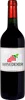
Château Tertres du PlantouCuvee Tradition Bergerac
 Red wine



This wine generally goes well with
Details and technical informations about Château Tertres du Plantou's Cuvee Tradition Bergerac.
Discover the grape variety: Kernling
Natural mutation of the kerner found in Germany in 1974 by Herrn Ludwig Hochdörffer and put in culture in 1995. Kernling can be found in Germany, Switzerland, England, ... in France it is almost unknown.
Last vintages of this wine
The best vintages of Cuvee Tradition Bergerac from Château Tertres du Plantou are 2016, 0
Informations about the Château Tertres du Plantou
The Château Tertres du Plantou is one of of the world's greatest estates. It offers 4 wines for sale in the of Bergerac to come and discover on site or to buy online.

The wine region of Bergerac
The wine region of Bergerac is located in the region of Guyenne of South West of France. Wineries and vineyards like the Château Tour des Gendres or the Vignoble des Verdots produce mainly wines red, white and pink. The most planted grape varieties in the region of Bergerac are Merlot, Cabernet-Sauvignon and Cabernet franc, they are then used in wines in blends or as a single variety. On the nose of Bergerac often reveals types of flavors of non oak, yeast or black currant and sometimes also flavors of mint, pineapple or cream.
The wine region of South West
The South-West is a large territorial area of France, comprising the administrative regions of Aquitaine, Limousin and Midi-Pyrénées. However, as far as the French wine area is concerned, the South-West region is a little less clear-cut, as it excludes Bordeaux - a wine region so productive that it is de facto an area in its own right. The wines of the South West have a Long and eventful history. The local rivers play a key role, as they were the main trade routes to bring wines from traditional regions such as Cahors, Bergerac, Buzet and Gaillac to their markets.
The word of the wine: Dosing liqueur (champagne)
Also known as liqueur d'expédition, a solution made up of wine and sugar added to champagne after disgorgement and which determines the type of wine: extra-brut, brut, extra-dry, dry, demi-sec.