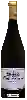
Winery Terre di PoggioNeria Passerina
 Red wine


In the mouth this red wine is a powerful.
This wine generally goes well with beef, lamb or pasta.

Taste structure of the Neria Passerina from the Winery Terre di Poggio
Light | Bold | |
Smooth | Tannic | |
Dry | Sweet | |
Soft | Acidic |
In the mouth the Neria Passerina of Winery Terre di Poggio in the region of Abruzzo is a powerful.
Food and wine pairings with Neria Passerina
Pairings that work perfectly with Neria Passerina



Original food and wine pairings with Neria Passerina
The Neria Passerina of Winery Terre di Poggio matches generally quite well with dishes of beef, pasta or lamb such as recipes of harira de mamie (moroccan soup), awara broth or chiche kebab in armenian.
Details and technical informations about Winery Terre di Poggio's Neria Passerina.
Discover the grape variety: Raisaine
Simple, fresh dry whites with a pale golden robe, a supple palate and preserved acidity, with understated aromas of white flowers, citrus (lemon) and herbal notes. A rustic profile now almost absent from commercial viticulture. Preserved in INRAE varietal collections, it bears witness to the pre-phylloxera ampelographic diversity of the South-West. Rare French white grape, once grown in the South-West and studied for its heritage value.
Last vintages of this wine
The best vintages of Neria Passerina from Winery Terre di Poggio are 0
Informations about the Winery Terre di Poggio
The Winery Terre di Poggio is one of of the world's great estates. It offers 26 wines for sale in the of Abruzzo to come and discover on site or to buy online.

The wine region of Abruzzo
Accessible, identity-driven Italian duo. Montepulciano d'Abruzzo as red: deep colour, intense aromas of black cherry, ripe plum, sweet spices and balsamic notes, round tannins and a gourmet finish, from everyday to age-worthy Riserva. Cerasuolo d'Abruzzo DOCG as a fleshy, fruity rosé (strawberry, pomegranate). Trebbiano d'Abruzzo as a straight white with citrus and white flowers, sublimated by a few cult producers (Valentini).
The word of the wine: Sour
Said of a wine that is unpleasantly pungent and has a vinegar-like odour.