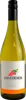
Winery Terre CevicoAntica Caveia Trebbiano di Romagna
 wine
wine
This wine generally goes well with
The Antica Caveia Trebbiano di Romagna of the Winery Terre Cevico is in the top 0 of wines of Trebbiano di Romagna.

Details and technical informations about Winery Terre Cevico's Antica Caveia Trebbiano di Romagna.
Discover the grape variety: Codega de Larinho
Aromatic, structured dry whites with a pale golden robe, an ample palate and moderate acidity, with signature aromas of white-fleshed fruits (pear, peach), white flowers (acacia), citrus and schistose mineral notes. Continental Mediterranean profile of the Douro. A traditional component of the great white Douro DOC and white Port wines, grown around Larinho for over 350 years. Autochthonous Portuguese white variety from the Douro.
Informations about the Winery Terre Cevico
The Winery Terre Cevico is one of of the world's great estates. It offers 111 wines for sale in the of Trebbiano di Romagna to come and discover on site or to buy online.

The wine region of Trebbiano di Romagna
DOC of Emilia-Romagna (provinces of Bologna, Ravenna, Forlì-Cesena, Rimini, Po plains). Trebbiano Romagnolo is the exclusive signature white (≥85%): neutral, fresh and fragrant with a straw robe, dry and savoury palate, lively acidity, balanced finish. Other whites ≤15%. Still, frizzante and spumante versions.
The wine region of Emilia-Romagna
Kingdom of Lambrusco: fresh, fruity sparkling reds (blackberry, cherry, violet), from gourmet dry to convivial off-dry, perfect with local charcuterie. World's best-selling sparkling wine on the Emilia side (Sorbara, Grasparossa, Salamino). East, Romagna: supple fruity Sangiovese, Albana (Italy's 1st white DOCG, 1987) ample and almondy. Also red Gutturnio and white Pignoletto.
The word of the wine: Mistelle
Unfermented must with added brandy, also called liqueur wine: Pineau des Charentes, Floc de Gascogne, Macvin du Jura, Ratafia, Cartagène du Languedoc.