Winery Terra d'OrtoloRouge
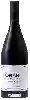
 Red wine
This wine is a blend of 2 varietals which are the Nielluccio and the Merlot.
This wine generally goes well with beef and game (deer, venison).

Food and wine pairings with Rouge
Pairings that work perfectly with Rouge


Original food and wine pairings with Rouge
The Rouge of Winery Terra d'Ortolo matches generally quite well with dishes of veal, game (deer, venison) or rich fish (salmon, tuna etc) such as recipes of chicken and sausage stew with carrots, pheasant with mushrooms and tomatoes or parillade of fish and seafood.
Details and technical informations about Winery Terra d'Ortolo's Rouge.
Discover the grape variety: Nielluccio
Structured and elegant reds with a deep ruby colour, firm tannins and lively acidity, on aromas of cherry, plum, garrigue, Mediterranean herbs (myrtle, rosemary), spices and balsamic notes. Fine ageing potential. The absolute star of Patrimonio AOC on the clay-limestone marls of northern Corsica, a pillar of Ajaccio AOC and the island's reds. Genetically identical to Tuscan Sangiovese, brought to Corsica in the 18th century by the Genoese.
Last vintages of this wine



The best vintages of Rouge from Winery Terra d'Ortolo are 2020, 2019, 0, 2021
Informations about the Winery Terra d'Ortolo
The Winery Terra d'Ortolo is one of of the world's greatest estates. It offers 3 wines for sale in the of Corsica to come and discover on site or to buy online.

The wine region of Corsica
Mediterranean island wine region with a triple native face, ~8,000 ha. Niellucciu signature (cousin of Sangiovese) dominates Patrimonio: structured reds with signature notes of black cherry, garrigue, maquis, spices and leather, firm tannins and sun-drenched mouth. Sciaccarellu (min. 60% in Ajaccio) lighter and peppery (strawberry, wild herbs).
The word of the wine: Solera
A method of maturing practiced in Andalusia for certain sherries, which aims to continuously blend older and younger wines. It consists of stacking several layers of barrels; those located at ground level (solera) contain the oldest wines, the youngest being stored in the barrels on the upper level. The wine to be bottled is taken from the barrels on the lower level, which is replaced by younger wine from the upper level, and so on.