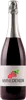
Winery Tenimenti di VegliaMillesimato Extra Dry Rosé
 Sparkling wine



This wine is a blend of 2 varietals which are the Raboso Piave and the Merlot.
This wine generally goes well with beef and game (deer, venison).
Food and wine pairings with Millesimato Extra Dry Rosé
Pairings that work perfectly with Millesimato Extra Dry Rosé


Original food and wine pairings with Millesimato Extra Dry Rosé
The Millesimato Extra Dry Rosé of Winery Tenimenti di Veglia matches generally quite well with dishes of beef or game (deer, venison) such as recipes of stewed beef heart or magret stuffed with foie gras.
Details and technical informations about Winery Tenimenti di Veglia's Millesimato Extra Dry Rosé.
Discover the grape variety: Raboso Piave
A very old variety known and cultivated more precisely in the north-east of Italy in the Veneto region (provinces of Treviso, Padua, Venice, etc.), not to be confused with Raboso Veronese, which is the result of an intraspecific cross between Raboso Piave and Marzemina Bianca. Raboso Piave is practically unknown in other wine-producing countries.
Last vintages of this wine
The best vintages of Millesimato Extra Dry Rosé from Winery Tenimenti di Veglia are 2015, 2014, 0
Informations about the Winery Tenimenti di Veglia
The Winery Tenimenti di Veglia is one of of the world's great estates. It offers 11 wines for sale in the of Veneto to come and discover on site or to buy online.

The wine region of Veneto
Veneto is an important and growing wine region in northeastern Italy. Veneto is administratively Part of the Triveneto area, aLong with its smaller neighbors, Trentino-Alto Adige and Friuli-Venezia Giulia. In terms of geography, culture and wine styles, it represents a transition from the Alpine and Germanic-Slavic end of Italy to the warmer, drier, more Roman lands to the South. Veneto is slightly smaller than the other major Italian wine regions - Piedmont, Tuscany, Lombardy, Puglia and Sicily - but it produces more wine than any of them.
The word of the wine: Yeast
Micro-organisms at the base of all fermentative processes. A wide variety of yeasts live and thrive naturally in the vineyard, provided that treatments do not destroy them. Unfortunately, their replacement by laboratory-selected yeasts is often the order of the day and contributes to the standardization of the wine. Yeasts are indeed involved in the development of certain aromas.