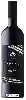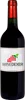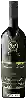
Winery Tarucco - GeraciAlicante
 Red wine



In the mouth this red wine is a powerful.
This wine generally goes well with beef, lamb or pasta.

Taste structure of the Alicante from the Winery Tarucco - Geraci
Light | Bold | |
Smooth | Tannic | |
Dry | Sweet | |
Soft | Acidic |
In the mouth the Alicante of Winery Tarucco - Geraci in the region of Sicily is a powerful.
Food and wine pairings with Alicante
Pairings that work perfectly with Alicante



Original food and wine pairings with Alicante
The Alicante of Winery Tarucco - Geraci matches generally quite well with dishes of beef, pasta or lamb such as recipes of beef and spice stuffed peppers, pasta with crispy parma ham or lamb in a crown with spring vegetables.
Details and technical informations about Winery Tarucco - Geraci's Alicante.
Discover the grape variety: Verdesse
Crisp, aromatic dry whites with a pale golden colour, a slender palate and preserved acidity, showing delicate aromas of citrus (lemon), white flowers (acacia, hawthorn), white fruits (apple, pear) and alpine mineral notes. A crystalline mountain character. Very rare, preserved by a handful of Dauphiné growers for its heritage value, in confidential high-altitude cuvées. Indigenous French variety of Isère and the Dauphiné, a witness to ancient Alpine grape varieties.
Last vintages of this wine
The best vintages of Alicante from Winery Tarucco - Geraci are 0, 2014
Informations about the Winery Tarucco - Geraci
The Winery Tarucco - Geraci is one of of the world's greatest estates. It offers 10 wines for sale in the of Sicily to come and discover on site or to buy online.

The wine region of Sicily
Major qualitative renewal. Sunny, expressive reds: fleshy, spicy Nero d'Avola (black cherry, blackberry, liquorice), fine, mineral Nerello Mascalese on Etna (recalls Pinot Noir), light, crisp Frappato in Cerasuolo di Vittoria DOCG. Lively, saline whites: Catarratto, fat, iodised Grillo, taut Carricante, floral Inzolia. Amber, walnutty fortified Marsala.
The word of the wine: Bleeding
Old practice for red wines. As soon as the vat is filled with grapes, the tap is opened. A sweet but clear juice escapes from the vat (it can also be used to make rosé). The colour and density of the juice is enhanced, but it should not be overdone. Rarely more than 10% of the volume of a vat, otherwise you risk losing fruit and bringing in bitterness.