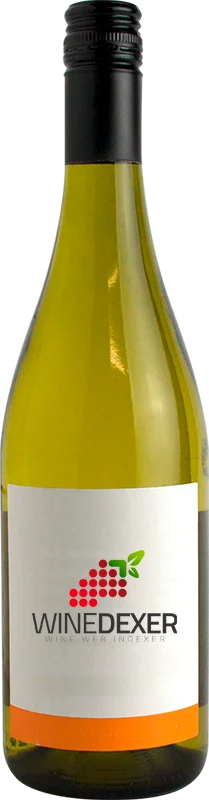
Winery TaraniEdition Limitée Sauvignon
 White wine



This wine generally goes well with vegetarian, rich fish (salmon, tuna etc) or shellfish.

Food and wine pairings with Edition Limitée Sauvignon
Pairings that work perfectly with Edition Limitée Sauvignon



Original food and wine pairings with Edition Limitée Sauvignon
The Edition Limitée Sauvignon of Winery Tarani matches generally quite well with dishes of rich fish (salmon, tuna etc), shellfish or vegetarian such as recipes of salmon carpaccio with pink berries and shallots, pasta with vongoles (flat clams) or tuna, pepper and tomato quiche.
Details and technical informations about Winery Tarani's Edition Limitée Sauvignon.
Discover the grape variety: Othello
Colourful reds with the characteristic foxy taste of Vitis labrusca, a sustained ruby robe, soft tannins and an airy palate, with typical labruscoid aromas (wild strawberry, candy). In France, it is among the six hybrids banned since 1935 (with Clinton, Herbemont, Isabelle, Jacquez, Noah), still found in heritage trellises. French black hybrid obtained by Henri Bouschet (folle blanche × clinton).
Last vintages of this wine
The best vintages of Edition Limitée Sauvignon from Winery Tarani are 2021, 0, 2020
Informations about the Winery Tarani
The Winery Tarani is one of of the world's greatest estates. It offers 15 wines for sale in the of Comté Tolosan to come and discover on site or to buy online.

The wine region of Comté Tolosan
IGP covering all of southwest France across 12 departments, a broad and accessible palette. On the Garonne right bank, supple reds dominate: signature Merlot with signature notes of plum, ripe cherry, cocoa and a herbaceous touch, round tannins. Firm Cabernet, spicy Syrah, tannic local Tannat. Left bank for whites: vivid Colombard and Gros Manseng (citrus, grapefruit, exotic fruits), aromatic Sauvignon.
The word of the wine: Mineral
Taste reminiscent of gunflint, chalk and many nuances of the mineral world, and reinforcing, especially in white wines, the notion of freshness and the sappy character.