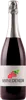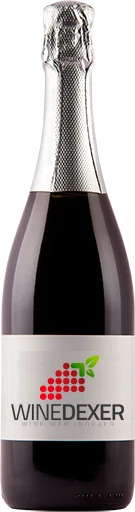
Winery Tanneux-MahyLe Rosé Brut Champagne
 Sparkling wine



In the mouth this sparkling wine is a powerful with a nice vivacity and a fine and pleasant bubble.
This wine generally goes well with pork, rich fish (salmon, tuna etc) or shellfish.
Taste structure of the Le Rosé Brut Champagne from the Winery Tanneux-Mahy
Light | Bold | |
Soft | Acidic | |
Gentle | Fizzy |
In the mouth the Le Rosé Brut Champagne of Winery Tanneux-Mahy in the region of Champagne is a powerful with a nice vivacity and a fine and pleasant bubble.
Food and wine pairings with Le Rosé Brut Champagne
Pairings that work perfectly with Le Rosé Brut Champagne



Original food and wine pairings with Le Rosé Brut Champagne

The Le Rosé Brut Champagne of Winery Tanneux-Mahy matches generally quite well with dishes of pork, rich fish (salmon, tuna etc) or shellfish such as recipes of pork chops with curry and honey, quebec style barbecued salmon or easy seafood gratin.
Details and technical informations about Winery Tanneux-Mahy's Le Rosé Brut Champagne.
Discover the grape variety: Tinta Barroca
Most certainly Portuguese, more precisely in the Douro region where it is very present. It can be found in Spain, Portugal, South Africa, ... almost unknown in France, registered in the Official Catalogue of A2 list varieties.
Informations about the Winery Tanneux-Mahy
The Winery Tanneux-Mahy is one of of the world's greatest estates. It offers 14 wines for sale in the of Champagne to come and discover on site or to buy online.

The wine region of Champagne
Champagne is the name of the world's most famous Sparkling wine, the appellation under which it is sold and the French wine region from which it comes. Although it has been used to refer to sparkling wines around the world - a point of controversy and legal wrangling in recent decades - Champagne is a legally controlled and restricted name. See the labels of Champagne wines. The fame and success of Champagne is, of course, the product of many Complex factors.
The word of the wine: Wooded
A set of aromas brought about by ageing in barrels (usually oak). This can be pleasant when, in small doses, it brings a touch of spice, roast or vanilla to an already constructed ensemble. When the violent woodiness dominates the wine, it is quickly tiring. Easily identifiable aromatically, it is sought after (to the point of abuse) by the makers of coarse wines. New World manufacturers and, alas, some French winemakers use oak chips to impart the woody taste, which is tantamount to artificial flavoring.