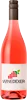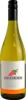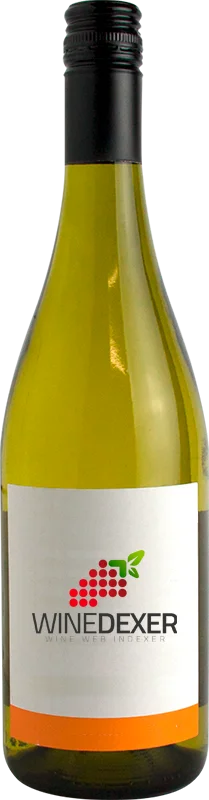
Winery TajnaSauvignon Blanc
 White wine


This wine generally goes well with vegetarian, rich fish (salmon, tuna etc) or shellfish.
The Sauvignon Blanc of the Winery Tajna is in the top 10 of wines of Nitrianska.

Food and wine pairings with Sauvignon Blanc
Pairings that work perfectly with Sauvignon Blanc



Original food and wine pairings with Sauvignon Blanc
The Sauvignon Blanc of Winery Tajna matches generally quite well with dishes of rich fish (salmon, tuna etc), shellfish or vegetarian such as recipes of pasta with tuna and cream, pike quenelles with lobster bisque sauce or quiche with leeks and fresh salmon from flo.
Details and technical informations about Winery Tajna's Sauvignon Blanc.
Discover the grape variety: Aranel
Simple, fresh dry whites with a pale golden robe, a supple palate and preserved acidity. Understated aromas of citrus (lemon), white fruits (apple), white flowers and herbaceous notes. Thirst-quenching profile, best drunk young. Grown in Languedoc-Roussillon and the South-West for IGP wines, used in modern southern blends. Productive French white grape obtained in 1962 at Montpellier by Paul Truel, a cross of Saint-Pierre Doré × Grenache Blanc.
Last vintages of this wine

The best vintages of Sauvignon Blanc from Winery Tajna are 0, 2019, 2018
Informations about the Winery Tajna
The Winery Tajna is one of of the world's greatest estates. It offers 27 wines for sale in the of Nitrianska to come and discover on site or to buy online.

The wine region of Nitrianska
Wine region of southwestern Slovakia around Nitra. Aromatic whites dominate. Veltlinske zelene (Gruner Veltliner) as a signature: lively and spicy with notes of white apple, white pepper, lemon, fresh herbs and a mineral touch, a taut palate. Fresh Welschriesling, supple Muller-Thurgau, taut Riesling, lively Sauvignon.
The word of the wine: Rebêche (champagne)
Must obtained in excess of the 2 550 litres authorised for a weight of 4 000 kilos of grapes. The first 2 050 litres constitute the cuvée and the next 500 litres the taille. The rebêche represents 1 to 3 % of the total volume and must be distilled or used to make ratafia.