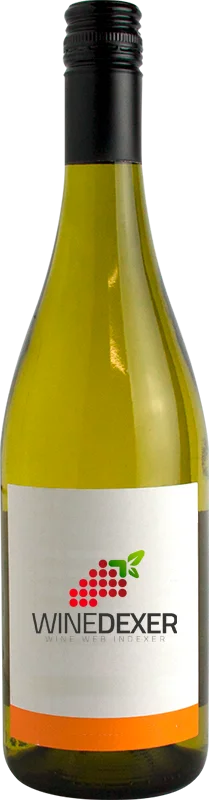
Winery Tacoli AsquiniSauvignon
 White wine



In the mouth this white wine is a powerful.
This wine generally goes well with lean fish, shellfish or mature and hard cheese.

Taste structure of the Sauvignon from the Winery Tacoli Asquini
Light | Bold | |
Dry | Sweet | |
Soft | Acidic |
In the mouth the Sauvignon of Winery Tacoli Asquini in the region of Friuli-Venezia Giulia is a powerful.
Food and wine pairings with Sauvignon
Pairings that work perfectly with Sauvignon



Original food and wine pairings with Sauvignon


The Sauvignon of Winery Tacoli Asquini matches generally quite well with dishes of pasta, shellfish or mature and hard cheese such as recipes of chinese noodles with vegetables, blanquette of monkfish and scallops or fresh jura salad.
Details and technical informations about Winery Tacoli Asquini's Sauvignon.
Discover the grape variety: Pedral
Supple, fruity reds best drunk young, with a light ruby robe, silky tannins and an airy palate with fresh acidity, showing signature aromas of cherry, red fruits (raspberry), soft spices and floral notes. Fresh Atlantic profile. Often blended with Vinhão and Borraçal, contributing to the freshness of Vinho Verde reds from the Minho. Native Portuguese black grape from the north of the country, grown in Vinho Verde and neighbouring Galicia.
Last vintages of this wine
The best vintages of Sauvignon from Winery Tacoli Asquini are 0
Informations about the Winery Tacoli Asquini
The Winery Tacoli Asquini is one of of the world's greatest estates. It offers 16 wines for sale in the of Friuli-Venezia Giulia to come and discover on site or to buy online.

The wine region of Friuli-Venezia Giulia
Italian benchmark of great whites of elegance and minerality. Emblematic Friulano with notes of fresh almond, pear and white flowers, taut Ribolla Gialla, precise Pinot Grigio, lively Sauvignon and balanced Chardonnay. Rare sweet Picolit (DOCG), saline Malvasia Istriana. Rising reds: fruity spicy Refosco, more tannic Pignolo and Schioppettino.
The word of the wine: Thermoregulation
Control of the vinification temperatures (by circulating hot or cold water on the walls of the vats, for example). This is a major step forward, which in particular helps to preserve the freshness of the aromas threatened by excessive temperature rises during fermentation.


