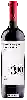
Winery Suvorov-VinCristiano Kadarka
 wine
wine
This wine generally goes well with
The Cristiano Kadarka of the Winery Suvorov-Vin is in the top 0 of wines of Moldavie.
Details and technical informations about Winery Suvorov-Vin's Cristiano Kadarka.
Discover the grape variety: Raboso Piave
A very old variety known and cultivated more precisely in the north-east of Italy in the Veneto region (provinces of Treviso, Padua, Venice, etc.), not to be confused with Raboso Veronese, which is the result of an intraspecific cross between Raboso Piave and Marzemina Bianca. Raboso Piave is practically unknown in other wine-producing countries.
Informations about the Winery Suvorov-Vin
The Winery Suvorov-Vin is one of of the world's great estates. It offers 27 wines for sale in the of Moldavie to come and discover on site or to buy online.

The wine region of Moldavie
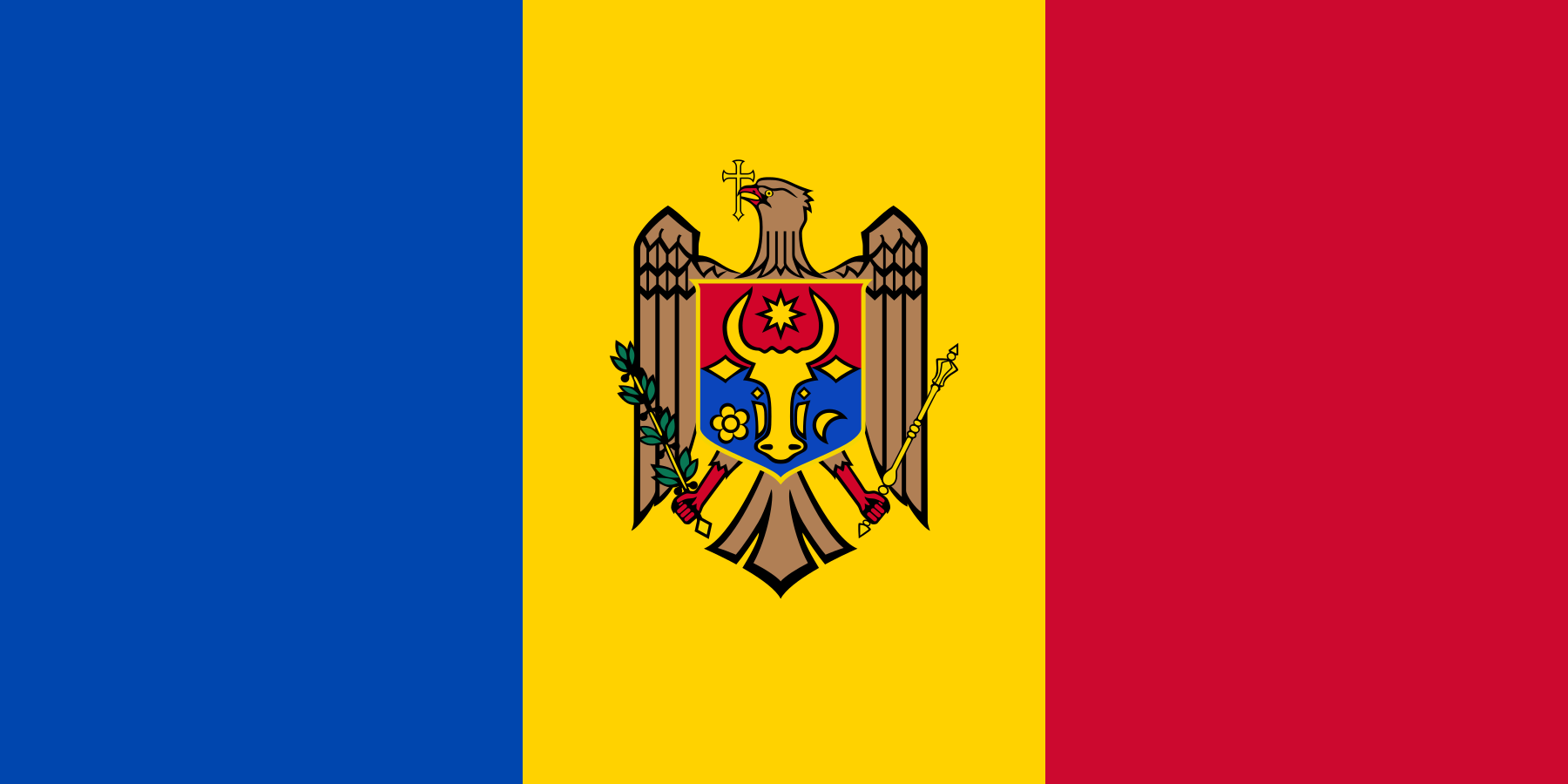
Moldova is a landlocked country in Eastern Europe, one of many former Soviet states in that region. It is separated from the western shores of the Black Sea by the province of Odessa in Southern Ukraine and Lies just North of Romania and Bulgaria). Moldova gained independence from Russia in 1991. It is now officially called the Republic of Moldova.
The word of the wine: Cuvée (champagne)
Juice harvested during the first pressing. The term "cuvée" is also used to describe the final blend of wines of a given quality. Tête de cuvée : the first juice to come out during the first pressing.