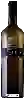
Winery SturmAndritz Bianco
 White wine


In the mouth this white wine is a powerful with a nice freshness.
This wine generally goes well with lean fish, shellfish or mature and hard cheese.

Taste structure of the Andritz Bianco from the Winery Sturm
Light | Bold | |
Dry | Sweet | |
Soft | Acidic |
In the mouth the Andritz Bianco of Winery Sturm in the region of Friuli-Venezia Giulia is a powerful with a nice freshness.
Food and wine pairings with Andritz Bianco
Pairings that work perfectly with Andritz Bianco



Original food and wine pairings with Andritz Bianco


The Andritz Bianco of Winery Sturm matches generally quite well with dishes of pasta, shellfish or mature and hard cheese such as recipes of pastasciutta (corsica), carri of shrimps with chillies or eggplant lasagna.
Details and technical informations about Winery Sturm's Andritz Bianco.
Discover the grape variety: Ribolla gialla
Lively, taut whites with firm acidity and a slender mouth, featuring aromas of citrus, green apple, white flowers, fresh herbs and chalky mineral notes. Often vinified with skin maceration (orange wine), developing amber hues of dried fruits, honey, tannins and oxidative complexity. Signature of great Friulian whites (Collio DOC, Colli Orientali del Friuli DOC) and Slovenia under the name Rebula (Brda). Native Friulian grape.
Last vintages of this wine
The best vintages of Andritz Bianco from Winery Sturm are 2013, 2012, 0
Informations about the Winery Sturm
The Winery Sturm is one of of the world's greatest estates. It offers 13 wines for sale in the of Friuli-Venezia Giulia to come and discover on site or to buy online.

The wine region of Friuli-Venezia Giulia
Italian benchmark of great whites of elegance and minerality. Emblematic Friulano with notes of fresh almond, pear and white flowers, taut Ribolla Gialla, precise Pinot Grigio, lively Sauvignon and balanced Chardonnay. Rare sweet Picolit (DOCG), saline Malvasia Istriana. Rising reds: fruity spicy Refosco, more tannic Pignolo and Schioppettino.
The word of the wine: Old vines
There are no specific regulations governing the term "vieilles vignes". After 20 to 25 years, the yields stabilize and tend to decrease, the vines are deeply rooted, and the grapes that come from them give richer, more concentrated, more sappy wines, expressing with more nuance the characteristics of their terroir. It is possible to find plots of vines that claim to be a century old.