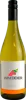
Winery StudierLignum Weissburgunder
 White wine


In the mouth this white wine is a with a nice freshness.
This wine generally goes well with rich fish (salmon, tuna etc), shellfish or mild and soft cheese.

Taste structure of the Lignum Weissburgunder from the Winery Studier
Light | Bold | |
Dry | Sweet | |
Soft | Acidic |
In the mouth the Lignum Weissburgunder of Winery Studier in the region of Pfalz is a with a nice freshness.
Food and wine pairings with Lignum Weissburgunder
Pairings that work perfectly with Lignum Weissburgunder


Original food and wine pairings with Lignum Weissburgunder

The Lignum Weissburgunder of Winery Studier matches generally quite well with dishes of rich fish (salmon, tuna etc), shellfish or mild and soft cheese such as recipes of skate wings with black butter sauce, armorican-style squid or savoury cake base and various fillings.
Details and technical informations about Winery Studier's Lignum Weissburgunder.
Discover the grape variety: Cabernet-Dorsa
Very deeply coloured, structured reds with an inky robe, firm tannins and fresh acidity, with intense aromas of blackcurrant, blackberry, plum, pepper, spice and herbal blackcurrant-leaf notes. Dense palate, persistent finish. Grown in Germany (Württemberg, Palatinate, Rheinhessen) for modern-styled dry reds and blends seeking colour and substantial structure. German variety created in 1971 in Weinsberg, a cross of Dornfelder × Cabernet Sauvignon.
Last vintages of this wine
The best vintages of Lignum Weissburgunder from Winery Studier are 0
Informations about the Winery Studier
The Winery Studier is one of of the world's great estates. It offers 59 wines for sale in the of Pfalz to come and discover on site or to buy online.

The wine region of Pfalz
Fleshy, dry, fruity Riesling is the region's signature: yellow peach, apricot, ripe citrus, lovely mineral tension. Germany's largest red-wine area (40%), with silky Spätburgunder showing red fruit and spice, darker structured Dornfelder, supple Portugieser. Some rounded Pinot Blanc and Pinot Gris. A 23,640 ha vineyard along the Haardt, among Germany's warmest (>2,000 h of sun).
The word of the wine: Yeast
Micro-organisms at the base of all fermentative processes. A wide variety of yeasts live and thrive naturally in the vineyard, provided that treatments do not destroy them. Unfortunately, their replacement by laboratory-selected yeasts is often the order of the day and contributes to the standardization of the wine. Yeasts are indeed involved in the development of certain aromas.