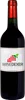
Winery StonehavenMerlot
 Red wine


In the mouth this red wine is a powerful.
This wine generally goes well with beef, veal or lamb.

Taste structure of the Merlot from the Winery Stonehaven
Light | Bold | |
Smooth | Tannic | |
Dry | Sweet | |
Soft | Acidic |
In the mouth the Merlot of Winery Stonehaven in the region of Australie du Sud-Est is a powerful.
Food and wine pairings with Merlot
Pairings that work perfectly with Merlot



Original food and wine pairings with Merlot
The Merlot of Winery Stonehaven matches generally quite well with dishes of beef, lamb or veal such as recipes of beef pot au feu (grandma's style), lamb mouse confit in wine or oxtail confit in red wine.
Details and technical informations about Winery Stonehaven's Merlot.
Discover the grape variety: Merlot
Round and fleshy reds with a velvety texture, showing aromas of ripe plum, black cherry, cocoa and truffle notes with age. Supple tannins, generous alcohol, indulgent finish. Pillar of Libournais (Pomerol with Pétrus, Saint-Émilion with Cheval Blanc and Ausone) and signature of Super Tuscans, Italian Wales and Washington State. A cross of Cabernet Franc × Magdeleine Noire, France's most planted red variety.
Last vintages of this wine
The best vintages of Merlot from Winery Stonehaven are 0
Informations about the Winery Stonehaven
The Winery Stonehaven is one of of the world's great estates. It offers 22 wines for sale in the of Australie du Sud-Est to come and discover on site or to buy online.

The wine region of Australie du Sud-Est
Macro blending zone covering the southern half of the country (NSW, Victoria, Tasmania, parts of SA and QLD). Accessible, vintage-consistent brand wines: supple fruity Shiraz (blackberry, sweet spice), round Cabernet Sauvignon, gourmet Merlot, opulent Chardonnay (yellow fruit, vanilla), lively Sauvignon Blanc, lemony Sémillon. Status created for export and major international brands. From aperitif to everyday, an affordable, fruity expression of the Australian style.
The word of the wine: Thinning
Also known as green harvesting, the practice of removing excess bunches of grapes from certain vines, usually in July, but sometimes later. This is often necessary, but not always a good thing, as the remaining bunches often gain weight.