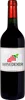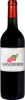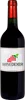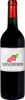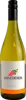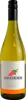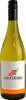
Winery ŠtokaVitovska Grganja
 White wine



This wine generally goes well with
The Vitovska Grganja of the Winery Štoka is in the top 20 of wines of Karst.

Wine flavors and olphactive analysis





On the nose the Vitovska Grganja of Winery Štoka in the region of Primorje often reveals types of flavors of microbio, spices.
Details and technical informations about Winery Štoka's Vitovska Grganja.
Discover the grape variety: Esther
Table grape with long clusters and golden berries with thin skin and crunchy flesh, a neutral sweet flavour. Early-ripening and productive. Very rarely vinified. Grown in North America for fresh local consumption, appreciated for its attractive appearance and good shelf life. Marginal outside its region of origin. American white table grape variety obtained by crossing for fresh consumption.
Last vintages of this wine
The best vintages of Vitovska Grganja from Winery Štoka are 2014, 2013, 2015, 0 and 2016.
Informations about the Winery Štoka
The Winery Štoka is one of of the world's greatest estates. It offers 15 wines for sale in the of Karst to come and discover on site or to buy online.

The wine region of Karst
Karst plateau of western Slovenia near the Adriatic, iron-rich red "terra rossa" soils, windy coastal climate (bora). Refosk signature red (mutation of Refosco): intense and vibrant with notes of sour cherry, cranberry, blackberry, mineral iron and a hint of herbs — cutting acidity, called Teran exclusively in Slovenia (EU). Taut and saline Vitovska and floral Malvasia istriana in marine whites. Upright reds with unique ferruginous character.
The wine region of Primorje
Coastal region of western Slovenia, the country's most qualitative, bordering Italy. Signature elegant whites and orange wines. Star Rebula (Ribolla Gialla) with signature notes of pear, citrus, white flowers, fresh almond and a mineral touch, taut and long palate — often in long maceration (orange) with dried fruits and black tea notes. Native Refošk as dense, lively red (black cherry, iron).
The word of the wine: Yeast
Micro-organisms at the base of all fermentative processes. A wide variety of yeasts live and thrive naturally in the vineyard, provided that treatments do not destroy them. Unfortunately, their replacement by laboratory-selected yeasts is often the order of the day and contributes to the standardization of the wine. Yeasts are indeed involved in the development of certain aromas.