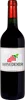
Winery StinaKvalitetno Plavac Mali Barrique
 Red wine


This wine generally goes well with
Wine flavors and olphactive analysis

On the nose the Kvalitetno Plavac Mali Barrique of Winery Stina in the region of Dalmatian Coast often reveals types of flavors of oak.
Details and technical informations about Winery Stina's Kvalitetno Plavac Mali Barrique.
Discover the grape variety: Plavac mali
Croatian Dalmatia more precisely. It can also be found in Greece (Macedonia), Montenegro, Italy, Bulgaria and Romania. According to genetic analyses conducted by the California University of Davis (United States), it is the result of an intraspecific cross between zinfandel (called crljenak kastelanski or pribidag in Croatia) and dobricic, another Croatian grape variety that is now somewhat endangered. - Synonyms: pagadebit veliki, sarak, zelenak (for all the synonyms of the grape varieties, click here!).
Last vintages of this wine
The best vintages of Kvalitetno Plavac Mali Barrique from Winery Stina are 0
Informations about the Winery Stina
The Winery Stina is one of of the world's great estates. It offers 21 wines for sale in the of Dalmatian Coast to come and discover on site or to buy online.

The wine region of Dalmatian Coast
The wine region of Dalmatian Coast of Croatia. Wineries and vineyards like the Domaine Bibich or the Domaine Boškinac produce mainly wines red and white. The most planted grape varieties in the region of Dalmatian Coast are Plavac mali, Merlot and Cabernet-Sauvignon, they are then used in wines in blends or as a single variety. On the nose of Dalmatian Coast often reveals types of flavors of pineapple, black currant or cola and sometimes also flavors of dark fruit, cinnamon or prune.
The word of the wine: Sulphur
An antiseptic and antioxidant substance known since antiquity, probably already used by the Romans. But it was only in modern times that its use was rediscovered. It will allow a better conservation of the wine and thus favour its export. Sulphur also gave the 18th century winegrower the possibility of extending the maceration period without fearing that the wine would turn sour and thus go from dark rosé wines to the red wines of today. Excessive sulphur, on the other hand, kills happiness, paralysing the aromas and causing headaches.