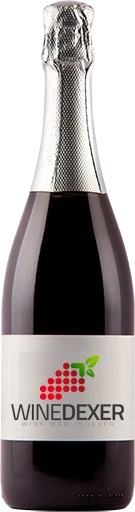
Winery Stephan SteinmetzLiaison Crémant
 Sparkling wine


This wine is a blend of 2 varietals which are the Pinot blanc and the Pinot noir.
This wine generally goes well with pork, poultry or veal.

Food and wine pairings with Liaison Crémant
Pairings that work perfectly with Liaison Crémant



Original food and wine pairings with Liaison Crémant



The Liaison Crémant of Winery Stephan Steinmetz matches generally quite well with dishes of veal, pork or game (deer, venison) such as recipes of deer stew, pan-fried black pudding with apples or wild boar with honey.
Details and technical informations about Winery Stephan Steinmetz's Liaison Crémant.
Discover the grape variety: Pinot blanc
Round, supple whites with a soft palate, showing discreet aromas of apple, pear, fresh almond, white flowers and brioche notes. Moderate acidity, light finish. Star of Crémant d'Alsace (fine, taut sparkling) and base of Edelzwicker. Grown in Germany (Weissburgunder, Baden-Württemberg), northern Italy (Pinot Bianco, Alto Adige), Austria and Luxembourg. A white mutation of Pinot Noir.
Last vintages of this wine
The best vintages of Liaison Crémant from Winery Stephan Steinmetz are 0
Informations about the Winery Stephan Steinmetz
The Winery Stephan Steinmetz is one of of the world's greatest estates. It offers 10 wines for sale in the of Mosel to come and discover on site or to buy online.

The wine region of Mosel
Kingdom of lively, crystalline Riesling: citrus, green apple, gunflint, tangy tension and signature slate minerality. From light, fruity Kabinett to off-dry Spätlese, up to sweet Auslese and Trockenbeerenauslese of rare finesse. Some supple Müller-Thurgau and lively Elbling. Steeply sloped vineyards (up to 65% at the Bremmer Calmont) on blue and grey slate, 5,400 ha of Riesling (61.
The word of the wine: Bâtonnage
A very old technique that has come back into fashion in modern oenology, which consists of shaking the white wine in the barrels at the end of fermentation, or after fermentation, with a stick or a flail, in order to suspend the fine lees composed of yeasts at the end of their activity. This process is sometimes used for red wines.





