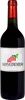
Winery Stephan KohlSommertraum Blauer Spätburgunder Rosé
 Pink wine


This wine generally goes well with vegetarian

Food and wine pairings with Sommertraum Blauer Spätburgunder Rosé
Pairings that work perfectly with Sommertraum Blauer Spätburgunder Rosé

Original food and wine pairings with Sommertraum Blauer Spätburgunder Rosé
The Sommertraum Blauer Spätburgunder Rosé of Winery Stephan Kohl matches generally quite well with dishes of vegetarian such as recipes of nanie's diced ham quiche.
Details and technical informations about Winery Stephan Kohl's Sommertraum Blauer Spätburgunder Rosé.
Discover the grape variety: Solaris
Aromatic, structured whites with an ample palate and moderate acidity, with intense, muscat-like aromas of yellow peach, apricot, exotic fruits (pineapple, mango), white flowers, honey and discreet herbal notes. Made as both expressive dry whites and sweet wines. A very early, mildew- and powdery-mildew-resistant interspecific variety, driving organic viticulture in northern regions (Germany, Switzerland, Denmark, Sweden, UK). Created in 1975 in Freiburg (Merzling × Geisenheim 6493).
Last vintages of this wine
The best vintages of Sommertraum Blauer Spätburgunder Rosé from Winery Stephan Kohl are 0
Informations about the Winery Stephan Kohl
The Winery Stephan Kohl is one of of the world's greatest estates. It offers 23 wines for sale in the of Mosel to come and discover on site or to buy online.

The wine region of Mosel
Kingdom of lively, crystalline Riesling: citrus, green apple, gunflint, tangy tension and signature slate minerality. From light, fruity Kabinett to off-dry Spätlese, up to sweet Auslese and Trockenbeerenauslese of rare finesse. Some supple Müller-Thurgau and lively Elbling. Steeply sloped vineyards (up to 65% at the Bremmer Calmont) on blue and grey slate, 5,400 ha of Riesling (61.
The word of the wine: Baco 22A
A white grape variety resulting from the hybridization of the folle blanche and the noah. It is the only hybrid to remain authorized in a French appellation vineyard, that of Armagnac, where it thrives in particular on the tawny sands of Bas-Armagnac. When distilled, its wine produces round, smooth and aromatic eaux-de-vie with hints of ripe fruit.