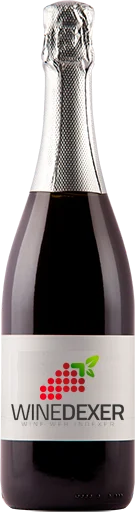
Winery Štěpán MaňákMušcât Morâvský Frizzante
 Sparkling wine


This wine generally goes well with spicy food and sweet desserts.
Food and wine pairings with Mušcât Morâvský Frizzante
Pairings that work perfectly with Mušcât Morâvský Frizzante


Original food and wine pairings with Mušcât Morâvský Frizzante
The Mušcât Morâvský Frizzante of Winery Štěpán Maňák matches generally quite well with dishes of spicy food or sweet desserts such as recipes of fish with madras curry and coconut milk or apple cake.
Details and technical informations about Winery Štěpán Maňák's Mušcât Morâvský Frizzante.
Discover the grape variety: Perle de Csaba
It is thought to have originated in Hungary, as Adolf Stark, a winegrower in Bekescsaba (Hungary), created it in 1904. According to genetic analyses, it is the result of a cross between the Madeleine angevine and the Muscat fleur d'oranger. The Csaba pearl has been used to obtain a few crosses (the red Csaba pearl is an example), the aim always being to try to find new varieties with early maturity. Today, it is only found in ornamental gardens, interesting only for its great earliness. Its many defects mean that it is almost on the verge of extinction, although it is included in the official catalogue of vine varieties on the A1 list.
Last vintages of this wine
The best vintages of Mušcât Morâvský Frizzante from Winery Štěpán Maňák are 0
Informations about the Winery Štěpán Maňák
The Winery Štěpán Maňák is one of of the world's great estates. It offers 67 wines for sale in the of Morava to come and discover on site or to buy online.

The wine region of Morava
Moravia, with roughly 95 percent of the nation's Vine plantings, is the engine room of the Czech Republic's wine industry. The Center of intensively farmed bulk-wine production is also showing great promise as a producer of quality white wines. This is largely thanks to its cool Climate, comparable in many ways to that in Nahe or Pfalz, the white-wine specialists a few hundred miles west in Germany. Moravian winelands enjoy a Vineyard year well suited to the production of Complex aromatics with good Acidity.
The word of the wine: Oxidation
Alteration of the wine caused by prolonged contact with oxygen and resulting in a coppery colour with brown reflections and the appearance of typical aromas reminiscent of rancid nuts.