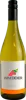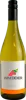
Winery SteeplechaseCalifornia Select Cuvée Pinot Grigio
 White wine
In the mouth this white wine is a .
This wine generally goes well with pork, cured meat or mushrooms.
Taste structure of the California Select Cuvée Pinot Grigio from the Winery Steeplechase
Light | Bold | |
Dry | Sweet | |
Soft | Acidic |
In the mouth the California Select Cuvée Pinot Grigio of Winery Steeplechase in the region of California is a .
Food and wine pairings with California Select Cuvée Pinot Grigio
Pairings that work perfectly with California Select Cuvée Pinot Grigio


Original food and wine pairings with California Select Cuvée Pinot Grigio

The California Select Cuvée Pinot Grigio of Winery Steeplechase matches generally quite well with dishes of pork, spicy food or mushrooms such as recipes of sauerkraut of the sea in casserole, pasta with puttanesca sauce or turkey roulades, flavoured sauce.
Details and technical informations about Winery Steeplechase's California Select Cuvée Pinot Grigio.
Discover the grape variety: Nosiola
This is an ancient indigenous variety that has been cultivated for a long time in the north-east of Italy, particularly in the Trentino-Alto Adige region, although it has been somewhat neglected. It is related to rèze and groppello bianco, but should not be confused with veneto durella. The Nosiola can be found in Spain, Australia, ... in France it is almost unknown.
Informations about the Winery Steeplechase
The Winery Steeplechase is one of of the world's greatest estates. It offers 21 wines for sale in the of California to come and discover on site or to buy online.

The wine region of California
California is the largest and most important wine region in the United States. It represents the southern two-thirds (850 miles or 1,370 kilometers) of the country's west coast. (Oregon and Washington make up the rest. ) The state also spans nearly 10 degrees of latitude.
The word of the wine: Second fermentation
In the making of champagne, fermentation of the base wine to which is added the liqueur de tirage and which takes place in the bottle. This second fermentation produces the carbon dioxide, and therefore the bubbles that make up the effervescence of the wine.