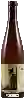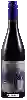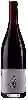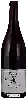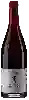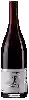
Winery StahlRoter Rotwein Cuvée
 Red wine
In the mouth this red wine is a with a nice freshness.
This wine generally goes well with poultry, beef or veal.

Taste structure of the Roter Rotwein Cuvée from the Winery Stahl
Light | Bold | |
Smooth | Tannic | |
Dry | Sweet | |
Soft | Acidic |
In the mouth the Roter Rotwein Cuvée of Winery Stahl in the region of Franken is a with a nice freshness.
Food and wine pairings with Roter Rotwein Cuvée
Pairings that work perfectly with Roter Rotwein Cuvée



Original food and wine pairings with Roter Rotwein Cuvée

The Roter Rotwein Cuvée of Winery Stahl matches generally quite well with dishes of beef, veal or game (deer, venison) such as recipes of tanjia, veal saltimbocca or rabbit with beer.
Details and technical informations about Winery Stahl's Roter Rotwein Cuvée.
Discover the grape variety: Sweet Sapphire
Seedless (pip-free) table grape with long clusters and very elongated cylindrical blue-black berries with thin skin and crunchy flesh, sweet and fresh on the palate. Grown in California, China and Spain for export markets, prized for its striking elongated shape that catches the eye at premium counters. American black seedless table grape variety bred for fresh consumption.
Informations about the Winery Stahl
The Winery Stahl is one of of the world's great estates. It offers 72 wines for sale in the of Franken to come and discover on site or to buy online.

The wine region of Franken
Homeland of German Silvaner: dry, straight, mineral and lively whites with notes of green apple, citrus, fresh herbs and a saline touch, planted here for over 350 years (1,500 ha, a quarter of the vineyard). Also supple, floral Müller-Thurgau, taut Riesling, aromatic Bacchus. Some discreet reds (Spätburgunder). 6,040 ha in Bavaria along the Main around Würzburg, red sandstone and shell-limestone soils.
The word of the wine: Sarment
Vine shoot of the year.