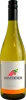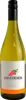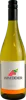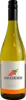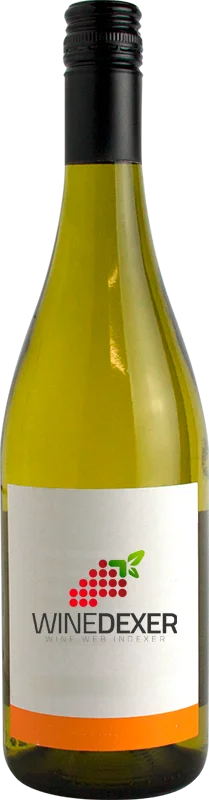
Winery St. CousairTamai Vineyard Suzaka Chardonnay
 White wine



This wine generally goes well with pork, vegetarian or poultry.

Food and wine pairings with Tamai Vineyard Suzaka Chardonnay
Pairings that work perfectly with Tamai Vineyard Suzaka Chardonnay



Original food and wine pairings with Tamai Vineyard Suzaka Chardonnay

The Tamai Vineyard Suzaka Chardonnay of Winery St. Cousair matches generally quite well with dishes of pork, rich fish (salmon, tuna etc) or vegetarian such as recipes of stuffed mushrooms, salmon blanquette or magic cake cheese quiche.
Details and technical informations about Winery St. Cousair's Tamai Vineyard Suzaka Chardonnay.
Discover the grape variety: Chardonnay
Whites with many faces: mineral and taut at Chablis (lemon, green apple, flint), opulent and buttery at Meursault and Puligny-Montrachet (hazelnut, brioche, yellow fruits), tense and chalky in Champagne (Blanc de Blancs). Also vinified sparkling and widely exported (Sonoma, Margaret River, Casablanca). A Burgundian variety, a cross of Pinot Noir × Gouais Blanc, half-sibling of Aligoté.
Last vintages of this wine
The best vintages of Tamai Vineyard Suzaka Chardonnay from Winery St. Cousair are 0
Informations about the Winery St. Cousair
The Winery St. Cousair is one of of the world's greatest estates. It offers 31 wines for sale in the of Nagano-ken to come and discover on site or to buy online.

The wine region of Nagano-ken
Alpine wine prefecture of central Japan (Honshu), the 2nd national region, high-altitude vineyards (600-900 m). Signature Merlot of Kikyogahara: supple, precise reds with signature notes of plum, cherry, sweet herbs, cedar and a cocoa touch, round tannins and elegant freshness — rivalling the Bordeaux wines. Renowned broad, mineral Chardonnay, fine and silky Pinot Noir. Also historic hybrid grapes (Concord, Niagara).
The word of the wine: Bâtonnage
A very old technique that has come back into fashion in modern oenology, which consists of shaking the white wine in the barrels at the end of fermentation, or after fermentation, with a stick or a flail, in order to suspend the fine lees composed of yeasts at the end of their activity. This process is sometimes used for red wines.