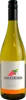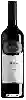
Winery Sorso SennoriIngannos Vermentino di Sardegna
 wine
wine
This wine generally goes well with
The Ingannos Vermentino di Sardegna of the Winery Sorso Sennori is in the top 0 of wines of Vermentino di Sardegna.

Details and technical informations about Winery Sorso Sennori's Ingannos Vermentino di Sardegna.
Discover the grape variety: Riesling Italico
Lively, aromatic whites for early drinking, with a pale golden hue, light palate and fresh aromas of citrus (lemon), white flowers, white-fleshed fruits (green apple) and herbal notes. Also produced as sparkling (Spumante) and botrytised sweet wines. A pillar of dry Italian whites from Friuli, Veneto and Lombardy. The Italian synonym for Welschriesling, a Central European white grape with no genetic link to German Riesling.
Informations about the Winery Sorso Sennori
The Winery Sorso Sennori is one of of the world's great estates. It offers 12 wines for sale in the of Vermentino di Sardegna to come and discover on site or to buy online.

The wine region of Vermentino di Sardegna
Italian DOC covering all Sardinia, single variety: Vermentino (~80% of Italian production). Signature dry saline whites with signature notes of white apple, lemon, grapefruit, white flowers, Mediterranean herbs, fresh almond and a mineral touch, lively palate punctuated by a typical light almond bitterness — the Mediterranean expression par excellence, perfect with seafood. Hot dry climate, granitic soils. Sunny wine.
The wine region of Sardinia
Italian Mediterranean wine island with 250+ varieties, strong native identity. Signature Cannonau (Grenache) in red: warm and deep with signature ripe cherry, garrigue, myrtle, spice and a balsamic touch, round tannins and a sun-drenched palate. Vermentino di Gallura DOCG star white (80% of Italian Vermentino): fresh and saline (citrus, pear, almond, sea iodine). Also dense Carignan, supple Monica, lively Nuragus, rare oxidative Vernaccia di Oristano.
The word of the wine: Pineau de la Loire
See chenin blanc.