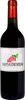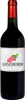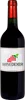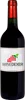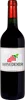
Winery SomerbyMagna Carta Reserve Rondo
 Red wine


This wine generally goes well with

Wine flavors and olphactive analysis


On the nose the Magna Carta Reserve Rondo of Winery Somerby in the region of England often reveals types of flavors of non oak, oak or black fruit.
Details and technical informations about Winery Somerby's Magna Carta Reserve Rondo.
Discover the grape variety: Rondo
Colourful, fruity reds with a dense purple robe, supple tannins and fresh acidity. Aromas of black cherry, blackberry, plum, blackcurrant and spicy notes. Round palate, best drunk young. A very early-ripening, cold-hardy interspecific variety (to -25 °C), it drives northern viticulture in Germany, the UK, the Netherlands, Belgium, Denmark, Sweden and Poland. German hybrid created in 1964 at Geilweilerhof (Vitis amurensis × Saint-Laurent, descended from Zarya Severa).
Last vintages of this wine
The best vintages of Magna Carta Reserve Rondo from Winery Somerby are 2015, 0
Informations about the Winery Somerby
The Winery Somerby is one of of the world's greatest estates. It offers 3 wines for sale in the of England to come and discover on site or to buy online.

The wine region of England
Quality renaissance of English wine, signature in traditional-method sparklers. On chalk soils identical to Champagne's (South-East), fine, taut bubbles with signature notes of green apple, lemon, white flowers, brioche and chalk, the vivid acidity of a cool climate. Based on Chardonnay, Pinot Noir and Meunier. Still wines a minority: aromatic Bacchus (elderflower, cut grass — the English identity), fresh Pinot Noir.
The word of the wine: White winemaking
White wines are obtained by fermentation of the juice after pressing. A pre-fermentation maceration is sometimes practiced to extract the aromatic substances from the skins. White wines are normally made from white grapes, but can also be made from red grapes (blanc de noirs). The grapes are then pressed as soon as they arrive at the vat house without maceration in order to prevent the colouring matter contained in the skins from "staining" the wine.