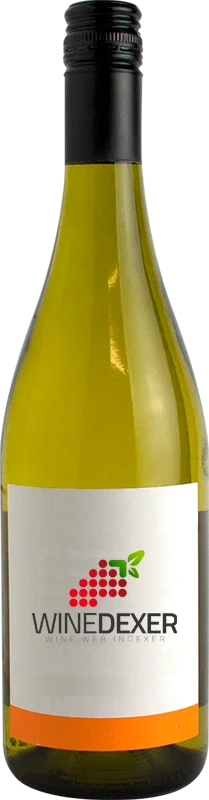
Winery SolaraBlock 4 Guinea Fowl Organic Blanc de Noir
 White wine



This wine generally goes well with poultry and game (deer, venison).
Wine flavors and olphactive analysis

Food and wine pairings with Block 4 Guinea Fowl Organic Blanc de Noir
Pairings that work perfectly with Block 4 Guinea Fowl Organic Blanc de Noir


Original food and wine pairings with Block 4 Guinea Fowl Organic Blanc de Noir
The Block 4 Guinea Fowl Organic Blanc de Noir of Winery Solara matches generally quite well with dishes of game (deer, venison) or poultry such as recipes of rabbit à la lorientaise or turkey escalope with cream and shallots.
Details and technical informations about Winery Solara's Block 4 Guinea Fowl Organic Blanc de Noir.
Discover the grape variety: Pinotage
An intraspecific cross between pinot noir and cinsaut called hermitage, obtained in South Africa in 1925 by Professor Abraham Izak Perold. Since then, it has been propagated in Africa, New Zealand, Australia, the United States (California), Canada, Brazil, Israel, etc. In France, it is practically unknown, although it is registered in the Official Catalogue of Vine Varieties on the A1 list. - Synonymy: none to date (for all the synonyms of the varieties, click here!).
Last vintages of this wine
The best vintages of Block 4 Guinea Fowl Organic Blanc de Noir from Winery Solara are 0
Informations about the Winery Solara
The Winery Solara is one of of the world's greatest estates. It offers 4 wines for sale in the of Western Cape to come and discover on site or to buy online.

The wine region of Western Cape
The Western Cape is home to the vast majority of the South African wine industry, and the country's two most famous wine regions, Stellenbosch and Paarl. The city of Cape Town serves as the epicenter of the Cape Winelands, a mountainous, biologically diverse area in the south-western corner of the African continent. A wide variety of wines are produced here. Wines from the Shiraz and Pinotage">Pinotage grape varieties can be fresh and juicy or Full-bodied and gutsy.
The word of the wine: Musky
Said of an odor reminiscent of musk.