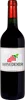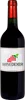
Winery SinforianoLa Poana Rosado
 wine
wine
This wine generally goes well with
The La Poana Rosado of the Winery Sinforiano is in the top 0 of wines of Cigales.
Details and technical informations about Winery Sinforiano's La Poana Rosado.
Discover the grape variety: Colombaud
The colombaud grape variety is equally appreciated as a white table grape and as a wine grape. Originally from Provence, it is practically no longer found in the vineyards. It is known under several other names, including poupousaoumo, courambaou and bouteillan. An amber veil covers them on the sides most exposed to the sun. The thin, crumbly greenish skin protects an ellipsoidal or spherical pulp, juicy and firm in consistency. The pulp has a simple, pleasant and slightly spicy taste. The berries are gathered in bunches carried by strong peduncles. The grapes are of medium length, compact and cylindrical-conical in shape, often with fins, and are harvested at the third medium period, as the grapevine buds late. Short pruning is best suited to this semi-erect plant, which likes exposed, warm soil.
Last vintages of this wine


The best vintages of La Poana Rosado from Winery Sinforiano are 0, 2020
Informations about the Winery Sinforiano
The Winery Sinforiano is one of of the world's greatest estates. It offers 23 wines for sale in the of Cigales to come and discover on site or to buy online.

The wine region of Cigales
The wine region of Cigales is located in the region of Castille-et-Léon of Spain. Wineries and vineyards like the Domaine Museum or the Domaine César Principe produce mainly wines red, pink and white. The most planted grape varieties in the region of Cigales are Tempranillo, Verdejo and Cabernet-Sauvignon, they are then used in wines in blends or as a single variety. On the nose of Cigales often reveals types of flavors of oaky, dark fruit or black currant and sometimes also flavors of chocolate, mushroom or clove.
The wine region of Castille-et-Léon
Located in the northern half of the Central Iberian plateau, Castilla y León is the largest of Spain's 17 administrative regions, covering about one-fifth of the country's total area. It extends about 350 kilometres (220 miles) from central Spain to the northern coast. Just as wide, it connects the Rioja wine region to the Portuguese border. Red wines reign supreme in Castilla y León, and the Tempranillo grape is undoubtedly the king.
The word of the wine: Cord
Management of trellised vines.