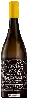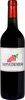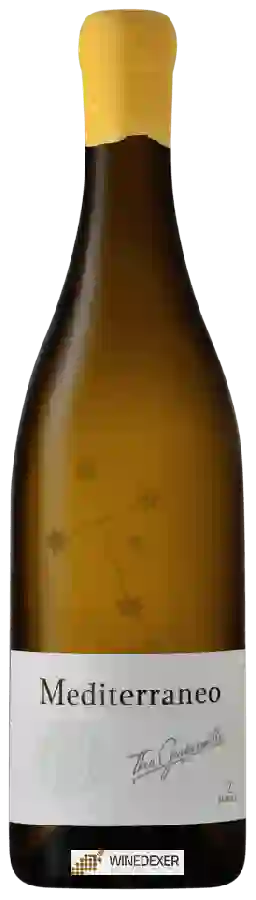
Winery SimonsigThe Grapesmith Mediterraneo
 White wine


This wine generally goes well with
Wine flavors and olphactive analysis



On the nose the The Grapesmith Mediterraneo of Winery Simonsig in the region of Western Cape often reveals types of flavors of non oak, earth or microbio and sometimes also flavors of oak, tree fruit or citrus fruit.
Details and technical informations about Winery Simonsig's The Grapesmith Mediterraneo.
Discover the grape variety: Saperavi
Deeply coloured, powerful reds with inky robe (teinturier grape with red flesh) and tight tannins, with intense aromas of blackberry, blackcurrant, black plum, spices, leather and balsamic notes. High acidity and fine ageing potential. Often made by the ancestral qvevri method (buried clay jar), it signs the great Georgian reds of Kakheti (Mukuzani, Kvareli, Napareuli). Also in Russia, Ukraine and Australia. Ancient Georgian variety.
Last vintages of this wine
The best vintages of The Grapesmith Mediterraneo from Winery Simonsig are 2017, 0
Informations about the Winery Simonsig
The Winery Simonsig is one of of the world's great estates. It offers 86 wines for sale in the of Stellenbosch to come and discover on site or to buy online.

The wine region of Stellenbosch
Showcase of the South African vineyard: signature Cabernet Sauvignon as king red — structured and age-worthy with notes of blackcurrant, blackberry, cedar, tobacco and a menthol touch, firm tannins. Emblematic national Pinotage (created 1925) opulent and smoky (blackberry, coffee, leather). Fleshy Shiraz, supple Merlot as complement. Vibrant Chenin Blanc, ample Chardonnay and lively Sauvignon in whites.
The wine region of Western Cape
Cradle of South African wine. Signature Chenin Blanc (Steen, 20%) in ample, fresh whites with notes of quince, yellow apple, honey and acacia flower, from crisp dry to sweet. Sharp, iodised Sauvignon Blanc (Walker Bay, Constantia), balanced Chardonnay. Reds: emblematic Pinotage with roasted aromas (coffee, plum, smoke), firm Cabernet Sauvignon, spicy Syrah.
The word of the wine: Film maceration
A technique that consists of leaving the grapes to macerate in the open air at a low temperature before fermentation, thus enhancing the aromatic expression of the wine.