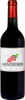
Simon WineryCrimson
 Red wine
This wine is a blend of 3 varietals which are the Cabernet-Sauvignon, the Petit Verdot and the Merlot.
This wine generally goes well with poultry, beef or game (deer, venison).

Wine flavors and olphactive analysis

Food and wine pairings with Crimson
Pairings that work perfectly with Crimson



Original food and wine pairings with Crimson



The Crimson of Simon Winery matches generally quite well with dishes of beef, lamb or game (deer, venison) such as recipes of veal shank with mushrooms, irish stew or duck breast with apples.
Details and technical informations about Simon Winery's Crimson.
Discover the grape variety: Cabernet-Sauvignon
Structured, tannic reds, deeply coloured, with aromas of blackcurrant, blackberry, cedar, tobacco and graphite, underpinned by firm acidity and fine ageing potential. Cornerstone of the great Médoc estates (Pauillac, Saint-Estèphe, Saint-Julien) and signature of Napa Valley, Coonawarra and Maipo. The world's most planted red variety, a natural cross of Cabernet Franc x Sauvignon Blanc born in Bordeaux.
Informations about the Simon Winery
The Simon Winery is one of of the world's great estates. It offers 14 wines for sale in the of Galilee to come and discover on site or to buy online.

The wine region of Galilee
Israel's wine heartland in the north, a benchmark quality zone. Powerful, structured reds with signature notes of ripe blackcurrant, blackberry, dark chocolate, herbes de Provence and spices, firm tannins and a sun-soaked palate. Dominant international grapes: dense Cabernet Sauvignon, round Merlot, peppery Syrah and colourful Petit Verdot. Round Chardonnay and lively Sauvignon Blanc whites.
The word of the wine: Female
Characterizes wines whose pleasantness results from elegance and finesse rather than power.