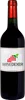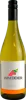
Winery SibavJantarna Rebula
 wine
wine
This wine generally goes well with
The Jantarna Rebula of the Winery Sibav is in the top 0 of wines of Gori&scaronka Brda.
Details and technical informations about Winery Sibav's Jantarna Rebula.
Discover the grape variety: Dunkelfelder
Intraspecific crossing between the madeleine angevine and the dyer of Cher obtained in 1928 by Gustav Adolf (1847/1912) of the Research Institute in Geinsenheim (Germany). We can meet it certainly in Germany but also in Belgium, in Switzerland, in England, in the United States, in Canada... almost unknown in France. It should not be confused with the dornfelder, also of German origin.
Informations about the Winery Sibav
The Winery Sibav is one of of the world's greatest estates. It offers 11 wines for sale in the of Gori&scaronka Brda to come and discover on site or to buy online.

The wine region of Gori&scaronka Brda
The wine region of Gori&scaronka Brda is located in the region of Primorje of Slovenia. Wineries and vineyards like the Domaine Edi Simčič or the Domaine Jakoncic produce mainly wines white, red and sparkling. The most planted grape varieties in the region of Gori&scaronka Brda are Ribolla gialla, Merlot and Cabernet-Sauvignon, they are then used in wines in blends or as a single variety. On the nose of Gori&scaronka Brda often reveals types of flavors of cherry, cranberry or savory and sometimes also flavors of cheese, honeysuckle or mushroom.
The wine region of Primorje
The wine region of Primorje of Slovenia. Wineries and vineyards like the Domaine Batič or the Domaine Aci Urbajs produce mainly wines white, red and sparkling. The most planted grape varieties in the region of Primorje are Cabernet-Sauvignon, Merlot and Chardonnay, they are then used in wines in blends or as a single variety. On the nose of Primorje often reveals types of flavors of tropical, apricot or plum and sometimes also flavors of pepper, black fruits or chocolate.
The word of the wine: Arching
A stage in the vegetative cycle of the vine that occurs after the leaves have fallen and is characterized by the drying out of the soft shoots, which are transformed into hard shoots by lignification.