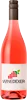
Шато Пино (Château Pinot)Pinot Noir Rosé
 wine
of Кубань. Новороссийск of Кубань of Russia
wine
of Кубань. Новороссийск of Кубань of RussiaThis wine generally goes well with
The Pinot Noir Rosé of the Шато Пино (Château Pinot) is in the top 0 of wines of Кубань. Новороссийск.
Details and technical informations about Шато Пино (Château Pinot)'s Pinot Noir Rosé.
Discover the grape variety: Aromella
Interspecific crossing between traminette and 34 Ravat obtained in 1976 by Bruce Reisch at the Experimental Station of Cornell University in Geneva (United States). It must be noted that this variety can only be found in a few American wine regions, which means that its multiplication is very limited. In France, it is almost unknown.
Last vintages of this wine



The best vintages of Pinot Noir Rosé from Шато Пино (Château Pinot) are 0, 2019
Informations about the Шато Пино (Château Pinot)
The Шато Пино (Château Pinot) is one of of the world's great estates. It offers 40 wines for sale in the of Кубань. Новороссийск to come and discover on site or to buy online.

The wine region of Кубань. Новороссийск
The wine region of Кубань. Новороссийск is located in the region of Кубань of Russia. Wineries and vineyards like the Domaine Мысхако (Myskhako) or the Domaine Мысхако (Myskhako) produce mainly wines red, white and sparkling. The most planted grape varieties in the region of Кубань.
The wine region of Кубань
The wine region of Кубань of Russia. Wineries and vineyards like the Domaine Fanagoria (Фанагория) or the Domaine Fanagoria (Фанагория) produce mainly wines red, white and sparkling. The most planted grape varieties in the region of Кубань are Cabernet-Sauvignon, Chardonnay and Merlot, they are then used in wines in blends or as a single variety. On the nose of Кубань often reveals types of flavors of oaky, jam or bell pepper and sometimes also flavors of red fruit, blackberry or blueberry.
The word of the wine: Thermoregulation
Control of the vinification temperatures (by circulating hot or cold water on the walls of the vats, for example). This is a major step forward, which in particular helps to preserve the freshness of the aromas threatened by excessive temperature rises during fermentation.