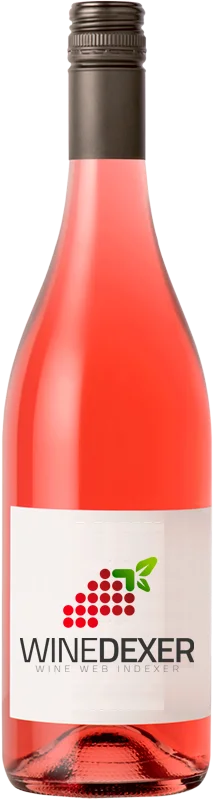
Winery Shady LaneCoop de Rosé
 Pink wine


This wine is a blend of 3 varietals which are the Regent, the Riesling and the Vignoles.
This wine generally goes well with pork, vegetarian or poultry.
The Coop de Rosé of the Winery Shady Lane is in the top 50 of wines of Michigan.

Food and wine pairings with Coop de Rosé
Pairings that work perfectly with Coop de Rosé



Original food and wine pairings with Coop de Rosé



The Coop de Rosé of Winery Shady Lane matches generally quite well with dishes of pork, rich fish (salmon, tuna etc) or spicy food such as recipes of tartiflette, red mullet, mackerel, tuna, salmon sushi or caramelized lamb mice.
Details and technical informations about Winery Shady Lane's Coop de Rosé.
Discover the grape variety: Regent
Richly coloured and structured reds with a deep purple colour and supple tannins, on aromas of blackcurrant, blackberry, plum, spices and discreet herbal notes. Round palate, fruity finish. A disease-resistant hybrid (downy and powdery mildew), it produces modern organic reds in Germany (Rheinhessen, Palatinate), Switzerland, Belgium and the Netherlands. Created in 1967 at Geilweilerhof by Gerhardt Alleweldt.
Last vintages of this wine
The best vintages of Coop de Rosé from Winery Shady Lane are 0
Informations about the Winery Shady Lane
The Winery Shady Lane is one of of the world's great estates. It offers 28 wines for sale in the of Michigan to come and discover on site or to buy online.

The wine region of Michigan
Midwestern wine state on the 45th parallel (Burgundy, Piedmont), tempered by the Great Lakes (lake effect). Signature Riesling: precise, taut whites with signature notes of citrus, green apple, white peach, white flowers and saline minerality, crisp acidity - from dry to off-dry. Also ample Chardonnay, perfumed Pinot Gris, opulent Gewürztraminer (lychee, rose). Fresh, silky Pinot Noir in red.
The word of the wine: Oxidative (breeding)
A method of ageing which aims to give the wine certain aromas of evolution (dried fruit, bitter orange, coffee, rancio, etc.) by exposing it to the air; it is then matured either in barrels, demi-muids or unoaked casks, sometimes stored in the open air, or in barrels exposed to the sun and to temperature variations. This type of maturation characterizes certain natural sweet wines, ports and other liqueur wines.