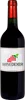
Winery 1762 WeinfelderRot
 Red wine
In the mouth this red wine is a with a nice freshness.
This wine generally goes well with poultry, beef or veal.

Taste structure of the Rot from the Winery 1762 Weinfelder
Light | Bold | |
Smooth | Tannic | |
Dry | Sweet | |
Soft | Acidic |
In the mouth the Rot of Winery 1762 Weinfelder in the region of Thurgau is a with a nice freshness.
Food and wine pairings with Rot
Pairings that work perfectly with Rot



Original food and wine pairings with Rot

The Rot of Winery 1762 Weinfelder matches generally quite well with dishes of beef, veal or game (deer, venison) such as recipes of beef tongue with vegetables and madeira sauce, deer stew or duck legs with green olives.
Details and technical informations about Winery 1762 Weinfelder's Rot.
Discover the grape variety: Pinot noir
Elegant reds, light in colour with silky tannins, showing strawberry, cherry and raspberry aromas, evolving to forest floor, mushroom and spice with age. Fresh acidity, delicate finish. Star of the Côte d'Or (Romanée-Conti, Chambertin, Volnay), pillar of Champagne (Blanc de Noirs) and signature of Oregon, Central Otago and Sonoma Coast. An early-ripening Burgundian variety, one of the world's greatest.
Informations about the Winery 1762 Weinfelder
The Winery 1762 Weinfelder is one of of the world's greatest estates. It offers 2 wines for sale in the of Thurgau to come and discover on site or to buy online.

The wine region of Thurgau
Wine canton of north-eastern German-speaking Switzerland on the shores of Lake Constance and the Rhine (~265 ha), cradle of Müller-Thurgau bred locally in 1882. Signature Pinot Noir (Blauburgunder) dominant in red: fine and silky with signature notes of cherry, raspberry, undergrowth, sweet spices and a mineral touch, delicate tannins and lakeside freshness. Historic Müller-Thurgau as fruity white (light muscat, apple, flowers). Also lively Riesling-Silvaner.
The word of the wine: Right bank
In Bordeaux, it refers to the vineyards located on the right bank of the Gironde and Dordogne rivers, where the Merlot grape variety is dominant. These are the appellations of Saint-Emilion, Pomerol, Fronsac, etc.