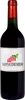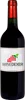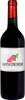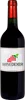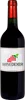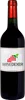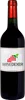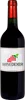
Winery SensoMonferrato Rosso
 Red wine


In the mouth this red wine is a powerful.
This wine generally goes well with beef, game (deer, venison) or lamb.

Taste structure of the Monferrato Rosso from the Winery Senso
Light | Bold | |
Smooth | Tannic | |
Dry | Sweet | |
Soft | Acidic |
In the mouth the Monferrato Rosso of Winery Senso in the region of Piedmont is a powerful.
Food and wine pairings with Monferrato Rosso
Pairings that work perfectly with Monferrato Rosso



Original food and wine pairings with Monferrato Rosso

The Monferrato Rosso of Winery Senso matches generally quite well with dishes of beef, pasta or lamb such as recipes of pastasciutta (corsica), salmon cannelloni or navarin of lamb.
Details and technical informations about Winery Senso's Monferrato Rosso.
Discover the grape variety: Gamay noir à jus blanc
Supple, fruity reds to drink young with a clear ruby robe, supple tannins and a light palate, featuring signature aromas of strawberry, raspberry, banana (Beaujolais Nouveau with carbonic maceration) and floral notes (peony). Star of the ten Beaujolais AOC crus (Moulin-à-Vent, Morgon, Fleurie, Brouilly…) and Beaujolais-Villages AOC, the typical expression of granitic soils. Official synonym of French Gamay from Burgundy, as opposed to teinturiers (Bouze, Chaudenay, Fréaux).
Last vintages of this wine
The best vintages of Monferrato Rosso from Winery Senso are 2017, 0
Informations about the Winery Senso
The Winery Senso is one of of the world's greatest estates. It offers 3 wines for sale in the of Monferrato to come and discover on site or to buy online.

The wine region of Monferrato
Historic cradle of Barbera (native here): indulgent reds with notes of ripe cherry, plum and raspberry, signature fresh acidity and supple tannins. Also identity grapes: pale, tannic, peppery Grignolino red, aromatic Ruchè (rose, spices, DOCG at Castagnole), Freisa and sweet muscat Brachetto. Whites: ample Cortese (base of neighbouring Gavi), aromatic Malvasia. Fruity Dolcetto.
The wine region of Piedmont
Kingdom of Nebbiolo: Barolo and Barbaresco DOCG, long-ageing reds with firm tannins and lively acidity, complex aromas of withered rose, sour cherry, tar, truffle and undergrowth. More accessible, tangy Barbera on red fruit, supple, crisp Dolcetto. Sweet, floral sparkling Moscato d'Asti, mineral, lemony Gavi (Cortese) white, round, almondy Arneis from Roero. 50,000 ha across the Langhe, Roero and Monferrato, UNESCO.
The word of the wine: Malolactic fermentation
Called second fermentation or malo for short. It is the degradation (under the effect of bacteria) of the malic acid naturally present in the wine into milder, less aggressive lactic acid. Some producers or wineries refuse this operation by "blocking the malo" (by cold and adding SO2) to keep a maximum of acidity which carries the aromas and accentuates the sensation of freshness.